Featured

Left Jab

This is my blog, and you are at the right place if you want to hear my journey from IIT to marathons, from brevets to Everest. The blog would cover the journey from struggling disappointed runner to endorphin rush of an athlete.

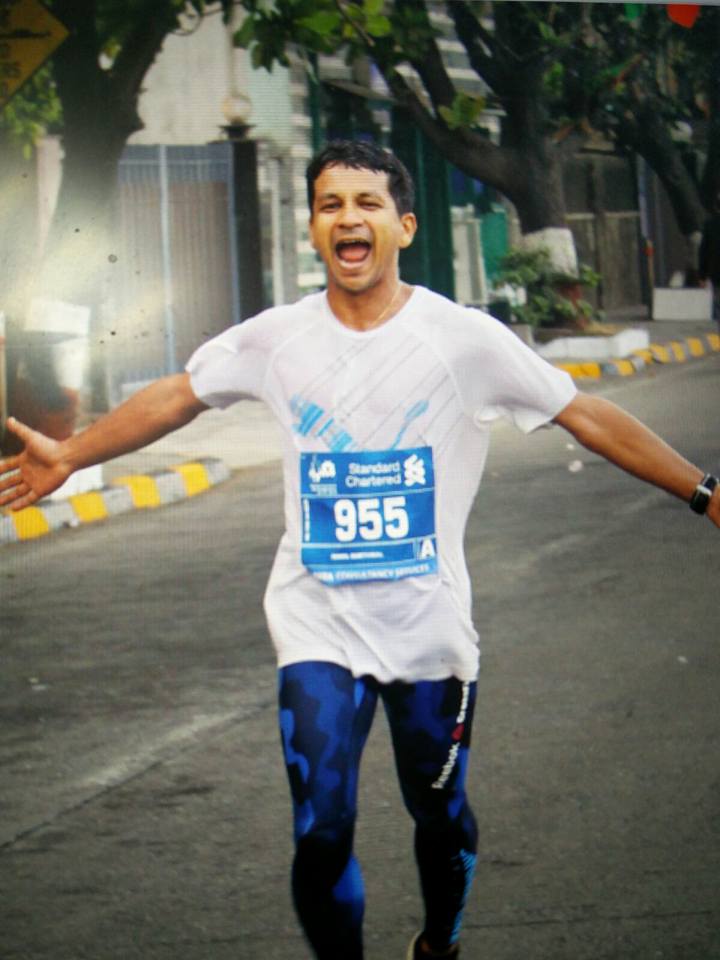
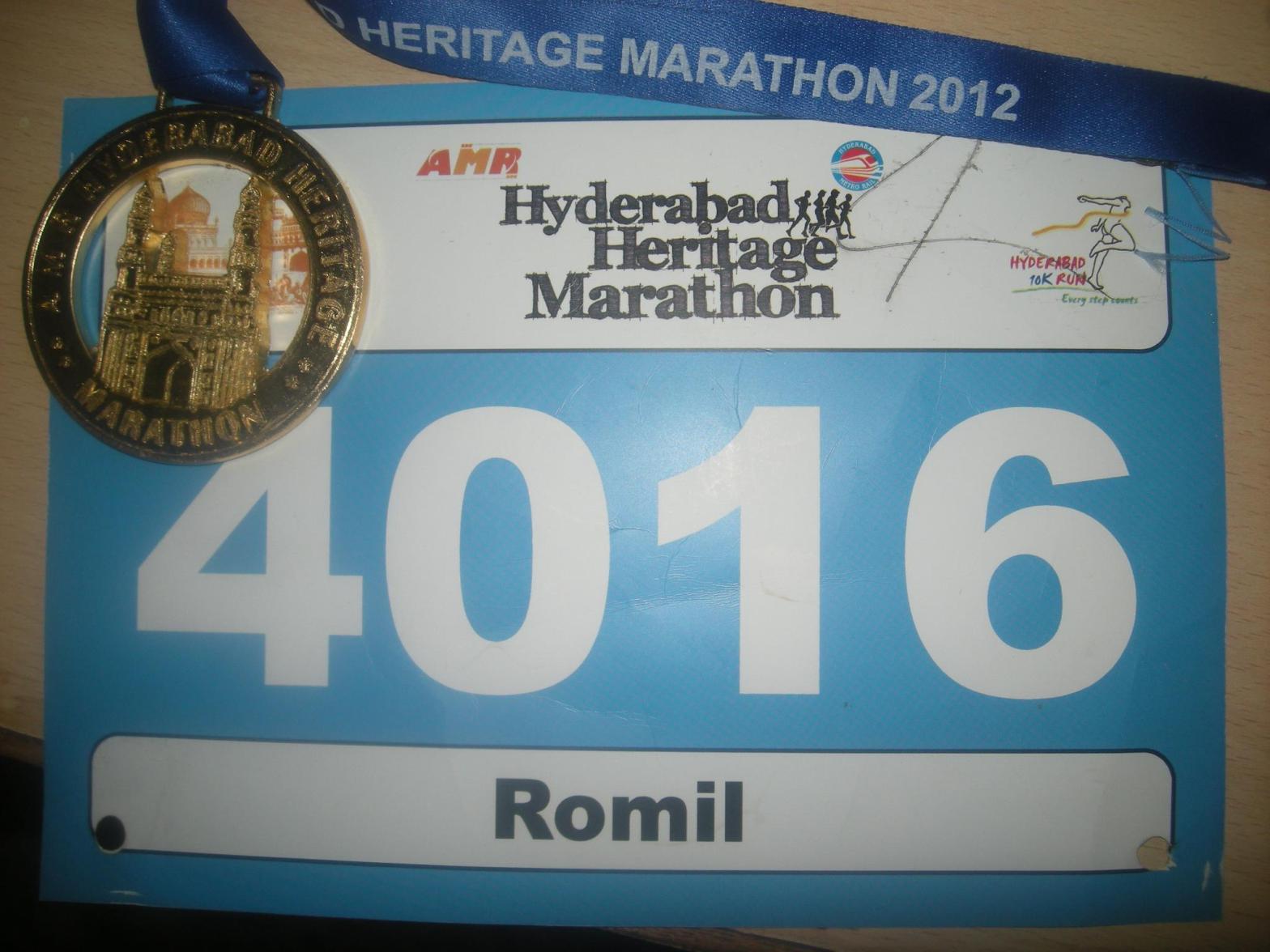
STORY OF BLUE BIB 4016

This story is about my first full marathon. It was not meant to start like this but it did :-). This was also my first timed event. The story is as exciting as it can be.

HR gang

During my stay at IIT Kgp i used to take inspiration from my friend Aditya Chauhan. During those days after logging on to FB i used to get mesmerized seeing him run insane distances. And it was my dream to be like him. Luck favored me and immediately after my Masters I reached Hyderabad.

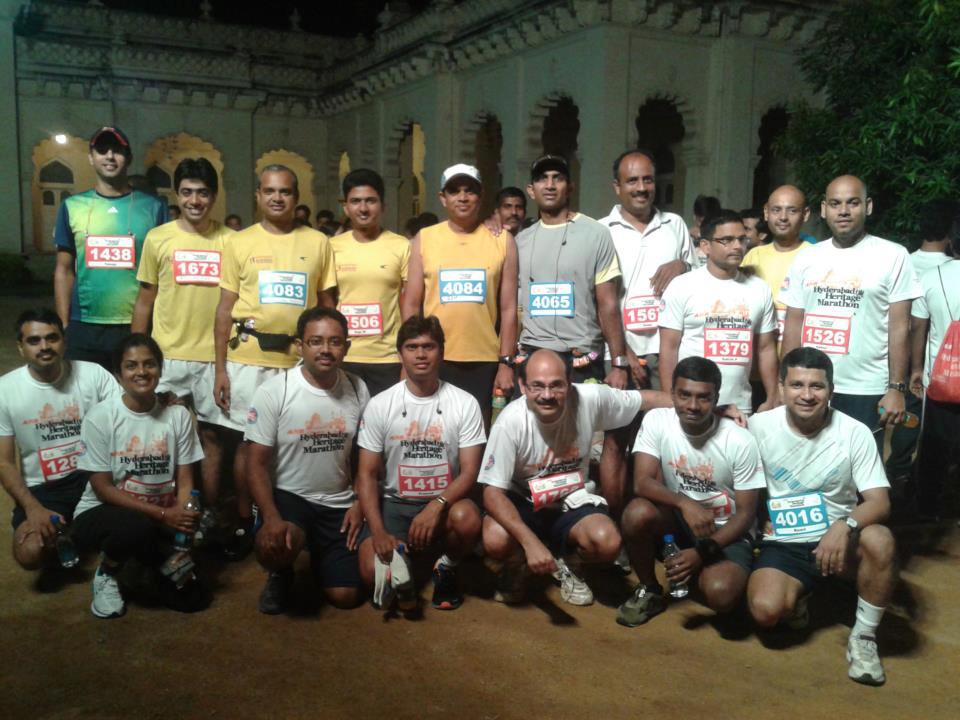
Hyderabad is my favorite city and in my opinion the people there are amazing and make the place what it is. On reaching Hyderabad I joined Hyderabad Runners (HR). The feel from very first day was too good to believe. Amazing runners, great friends and very welcoming and encouraging to all new comers. I had my first run at People’s Plaza (link will come here). Next was my first long run with the HR gang at CBIT (details will come here). I didn’t know the route so i tagged alongwith Vikram ( https://tinyurl.com/y5ab479b). Details of that run will come here(CBIT first long run). Thus started my journey from a struggling runner to a person who started waiting for the next run.

Two runs were enough to get me addicted to madness and Monday onwards I used to wait for the Sunday long run. As days passed I came to know that Hyderabad Heritage Marathon was to be conducted very soon. By now I had done a practice Half Marathon (HM) and thought of giving it a shot.

I clearly remember filling up the form for the marathon late at night. I took time to register because it was difficult for me to think that I would be paying to end up in pain. Notheless I finally gave a go ahead and registered. It was more like checking the bucket list.

I wanted my experience to be good so did homework by checking the route elevation profile, route map, hydration points for the complete 21 km. I decided my shoes, clothing, Ipod etc and was raring to go on the race day morning. On race day the event organizer used to provide buses at selected pick-up points for transporting the runners to the start.

At the scheduled time I reached the pick up point, was surprised to see that everyone else was wearing a different color bib. Mine was the only blue among red ones, which the others were wearing. I thought maybe because this was my first event I was allotted blue bib. Everyone I contacted had some reason or the other but no one was sure. Then someone told me that red bib meant Half marathon and blue was for Full Marathon. But then i thought that due to human error the organizers would have mixed it up. I decided to contact the organisers and would request them to change the bib. On reaching the venue i contacted the organisers to change the bib but my request was denied. They suggested I run the HM and then stop;-). I was perplexed as at that time i had two choices either not to participate or do Half marathon. But wait there was another option of doing the Full. By that time i found few of my runner friends (HR gang). They gave me few tips on running and then i decided i would go for HM and then decide based on my condition. This meant after HM it would be blank 🙂

The run started and so did I. This being the first event as expected I got carried away and even though i had planned to start slow, didn’t. Sight of a foreigner running ahead of me challenged my spirits and like a fool i started competing with him. It can’t get worse then this. Well HM happened in 1:58 h and things were manageable. Kept on pushing and soon the fatigue started setting in this was followed by Sun also showing its colors.

Finally dragged my body to finish line after tagging alongwith few other runners running with short walk breaks. The finish was a pain with last 3km climb to Golconda fort. As i crossed the finish line the timing chip beeped at 4:22 h. This was my journey which ended up in a Full Marathon (42.2km) instead of 21.1k

Was glad that the marathon finished before me.

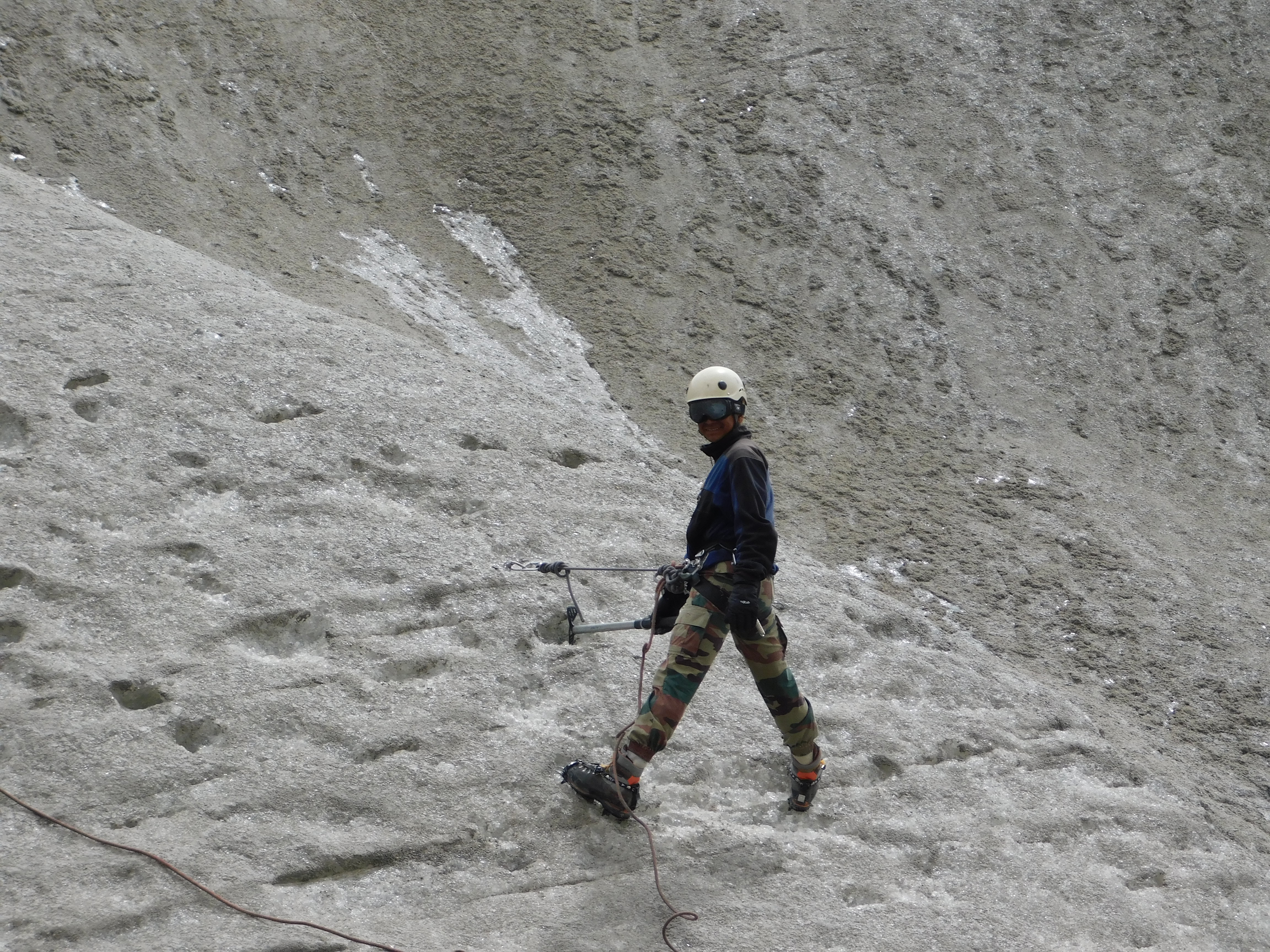
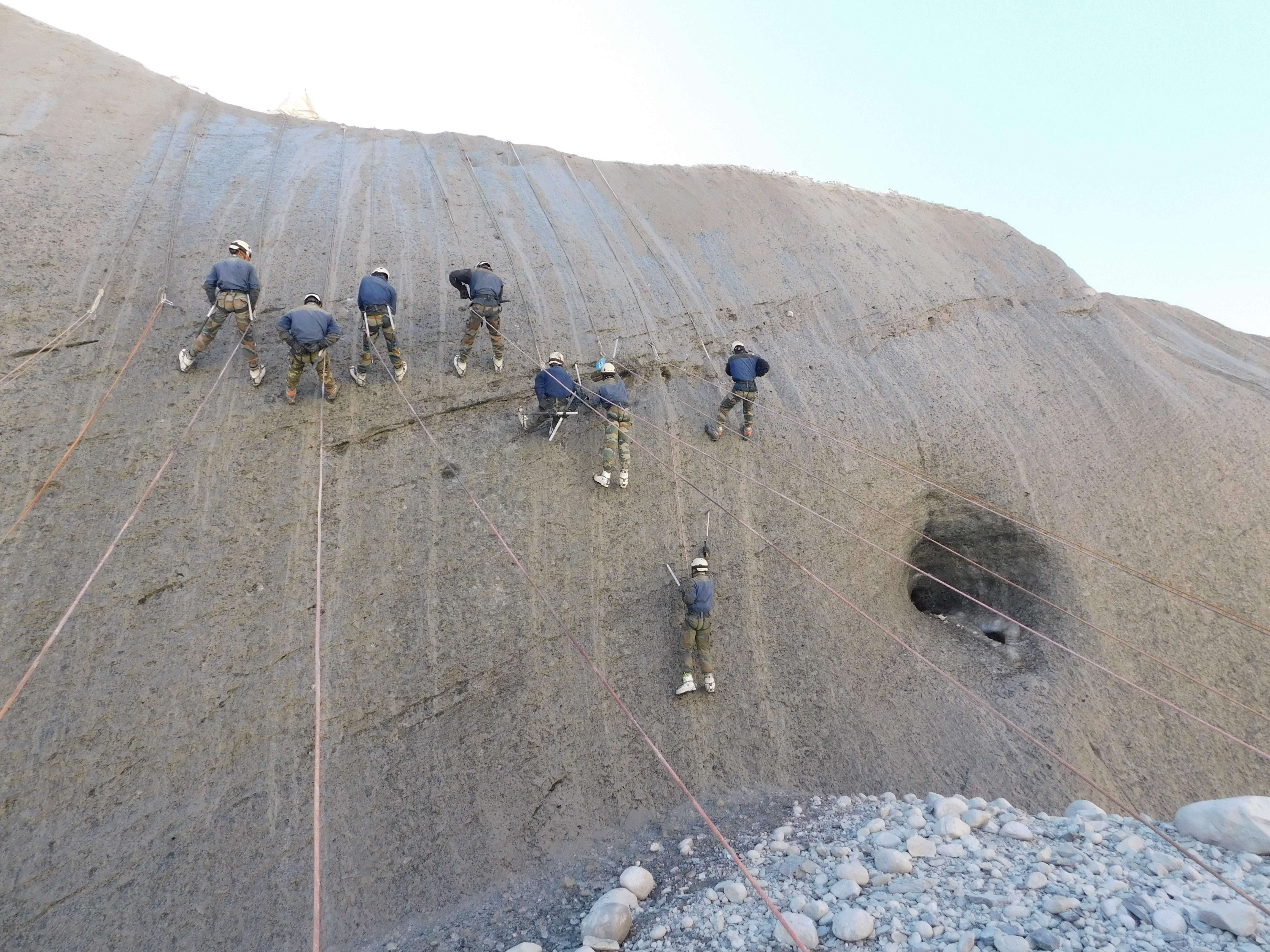
Basic Mountaineering Course

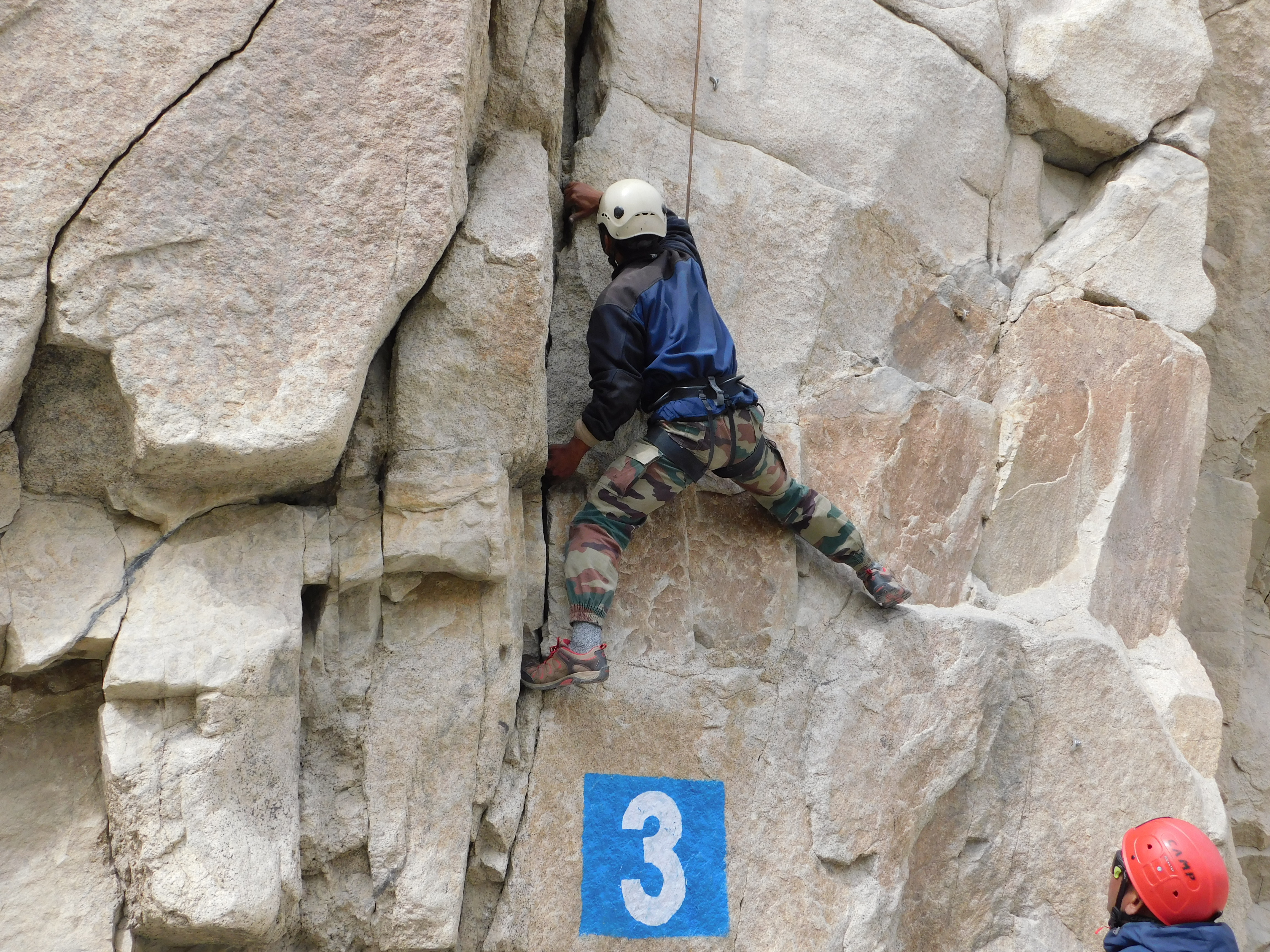
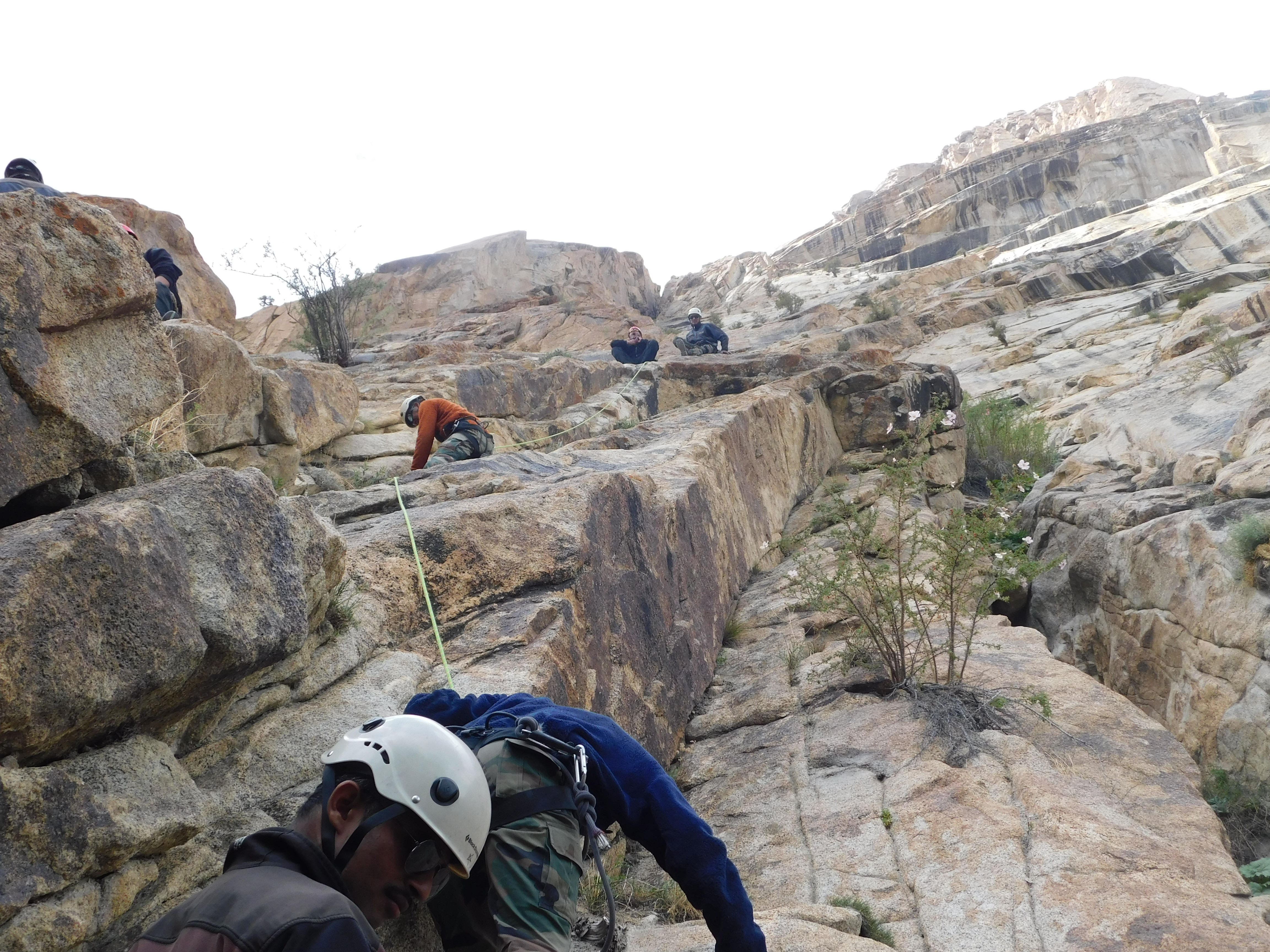
My first Mountain course and an extremely challenging one. Structured mountain training immediately after Stok Kangri (https://tinyurl.com/y4oj6pte) definitely helped. The training was tough and so was I. Everything went off well but finally had to give up to back pain which started suddenly and got me deeply worried. There was lot of support from the training team and needless to say it was a great learning.

The course curriculum was very exhaustive and had the following modules:

  • Introduction to mountain equipment (first exposure to these equipment and their functions)
  • Knots & Hitches (bread and butter of mountaineering)
  • Holds (types and techniques)
  • Bouldering (free hand climbing)
  • Rope Coiling (carrying rope in backpak & hand. Different distances and techniques)
  • Bases (types, whats a base & why required)
  • Belay Techniques
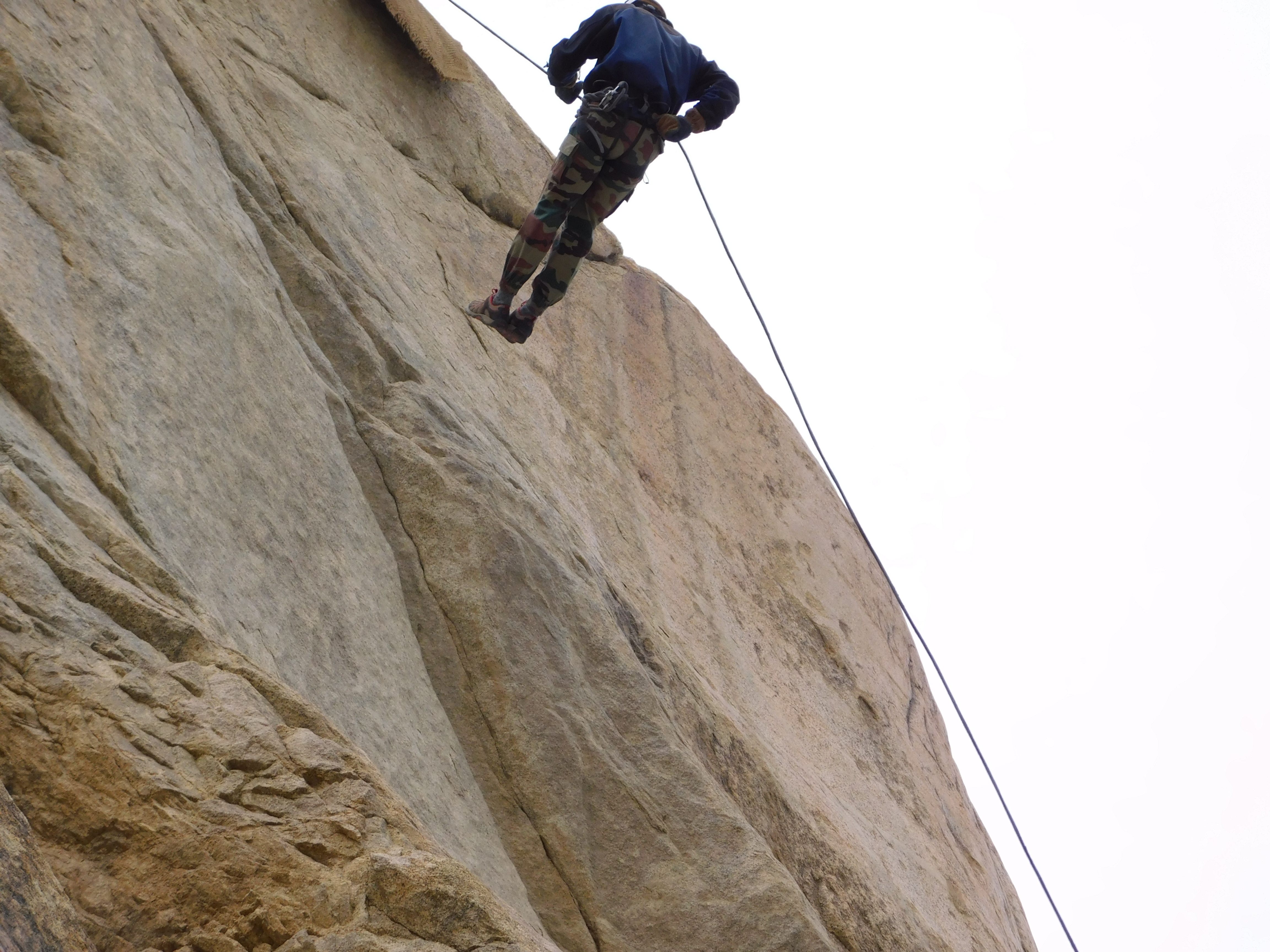
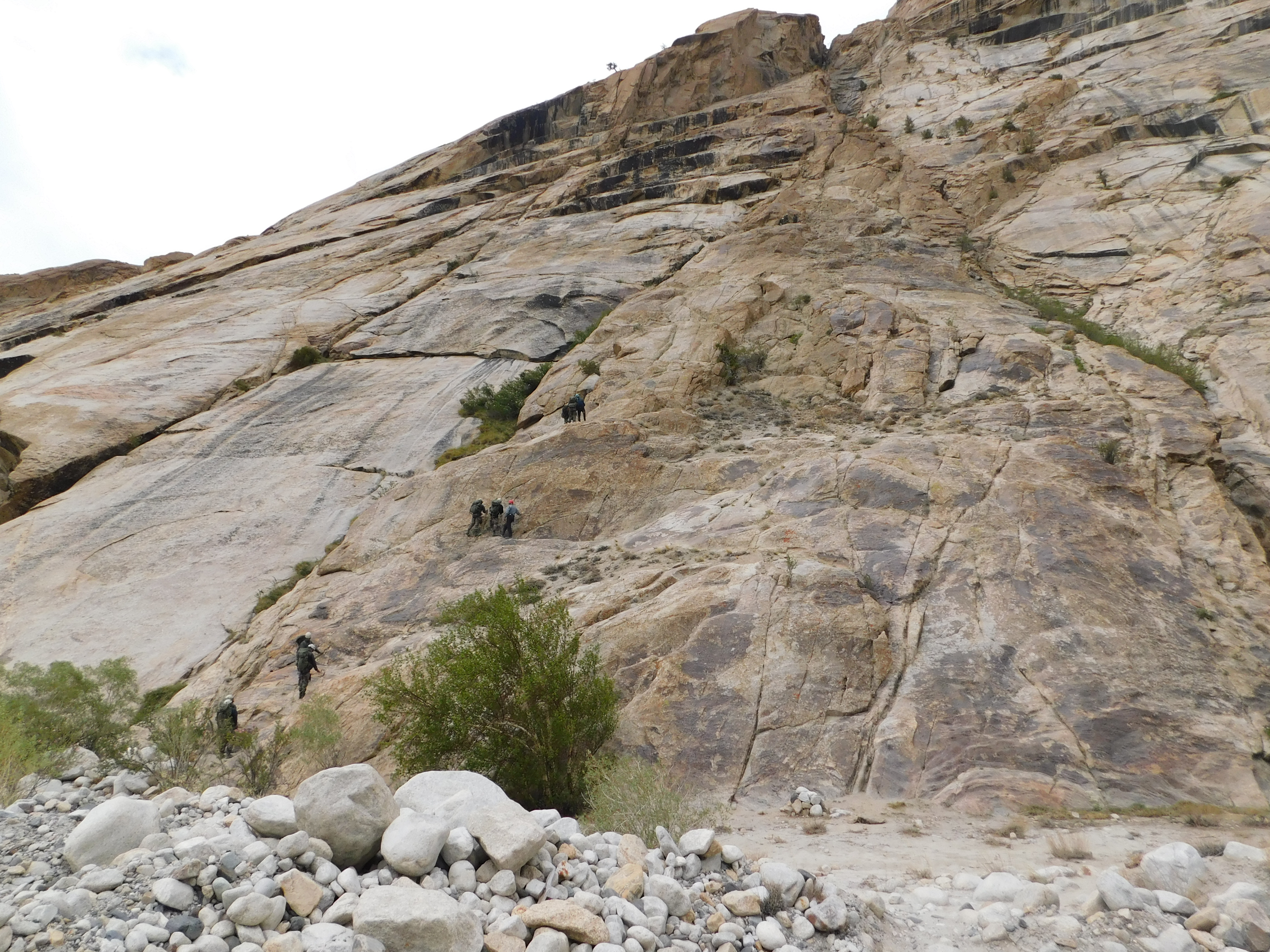
  • Rock Craft (Climbing & Rapelling)
  • Avalanche, AVD, Avl Rod (types of avalanche, avlanche rescue drill, equipment to be used if trapped in Avalanche)
  • Medical & stretcher improvisation (rescue in case proper stretcher not available)
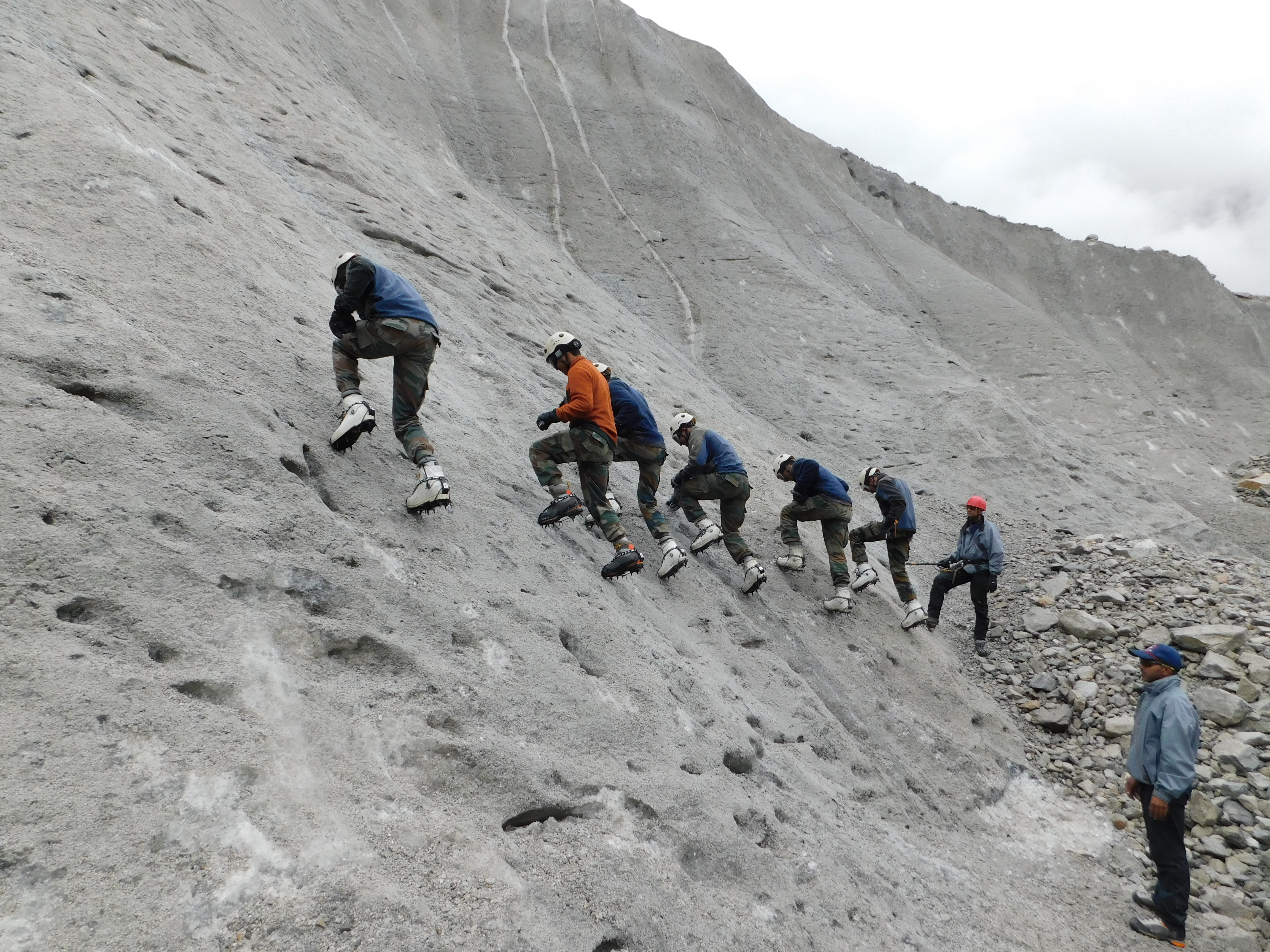
  • Ice Axe & Crampon fall and arrest (Ice axe parts, its use how to arrest fall)
  • 2/3/10 point
  • Crevasse Rescue Drill

Best thing about basic course is everything is new here so the hunger is there to learn. During advance everything is upgraded version of basic so that course becomes less interesting.

Conclusion: One may/may not continue mountaineering but the experience is fascinating. If you like it continue with advance course else keep looking for what fascinates you. List of various Mountaineering institutes :-

  • Himalayan Mountaineering Institute, Darjeeling.
  • Nehru Institute of Mountaineering, Uttarkashi.
  • Atal Bihari Vajpayee institute of Mountaineering, Manali
  • Jawahar Institute of Mountaineering and Winter sports, Pahalgham.
  • National Institute of Mountaineering and Allied Sports, Dirang.

TRAINING STRUCTURE:EVEREST

Everest undoubtedly is one of my major achievement. Not just because Everest allowed me to summit but the lessons learnt leading a team to the top of the world were immense and something learnt by doing and not by reading books. I plan to devote considerable amount of time writing about preparation for everest and then execution of plan. This blog would give structure of our training, their Page links and final execution.

Due to my non-mountaineering background had to start from scratch. I was entrusted to lead the team to the highest challenge. The training and team selection had following phases-

  • Endurance phase comprising of long marches, glacier march, long runs, short fast runs, load carrying built up, hill training.
  • Technical phase – Ice craft, rock craft, 2 point, 4 point, anchor, belay, knots & hitches, coiling, jumaring, repelling, ladder launch, ladder crossing, Rescue.
  • Sleep deprivation, water & food deprivation
  • Sudden height gains
  • Medical training
  • Winter acclimatization
  • Training on medical equipment.
  • Pre-Everest expeditions to

The team did one year of exhaustive training in North India in various terrains, weather conditions.

The training locations were:

  • Leh
  • Kiari
  • chumathang
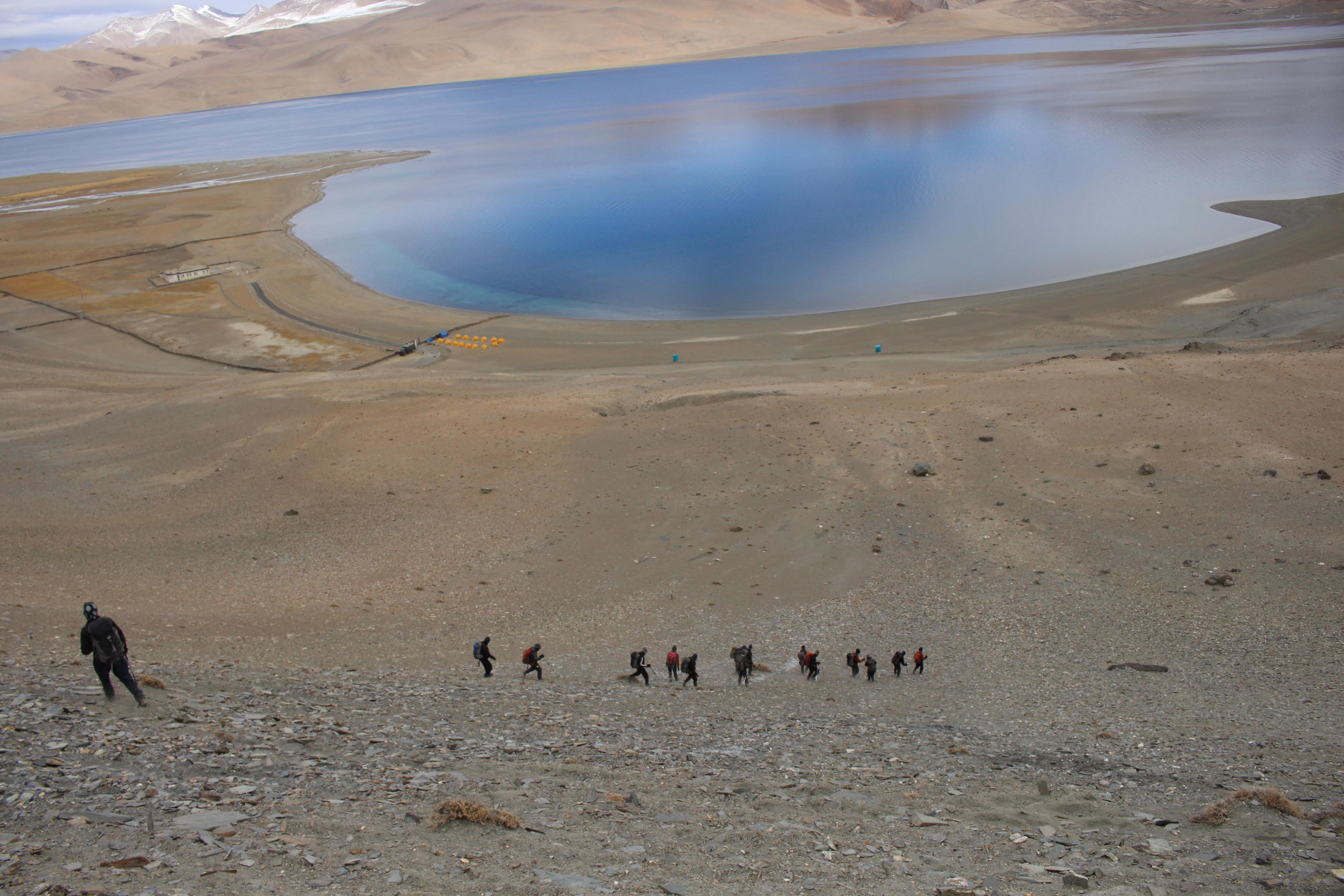
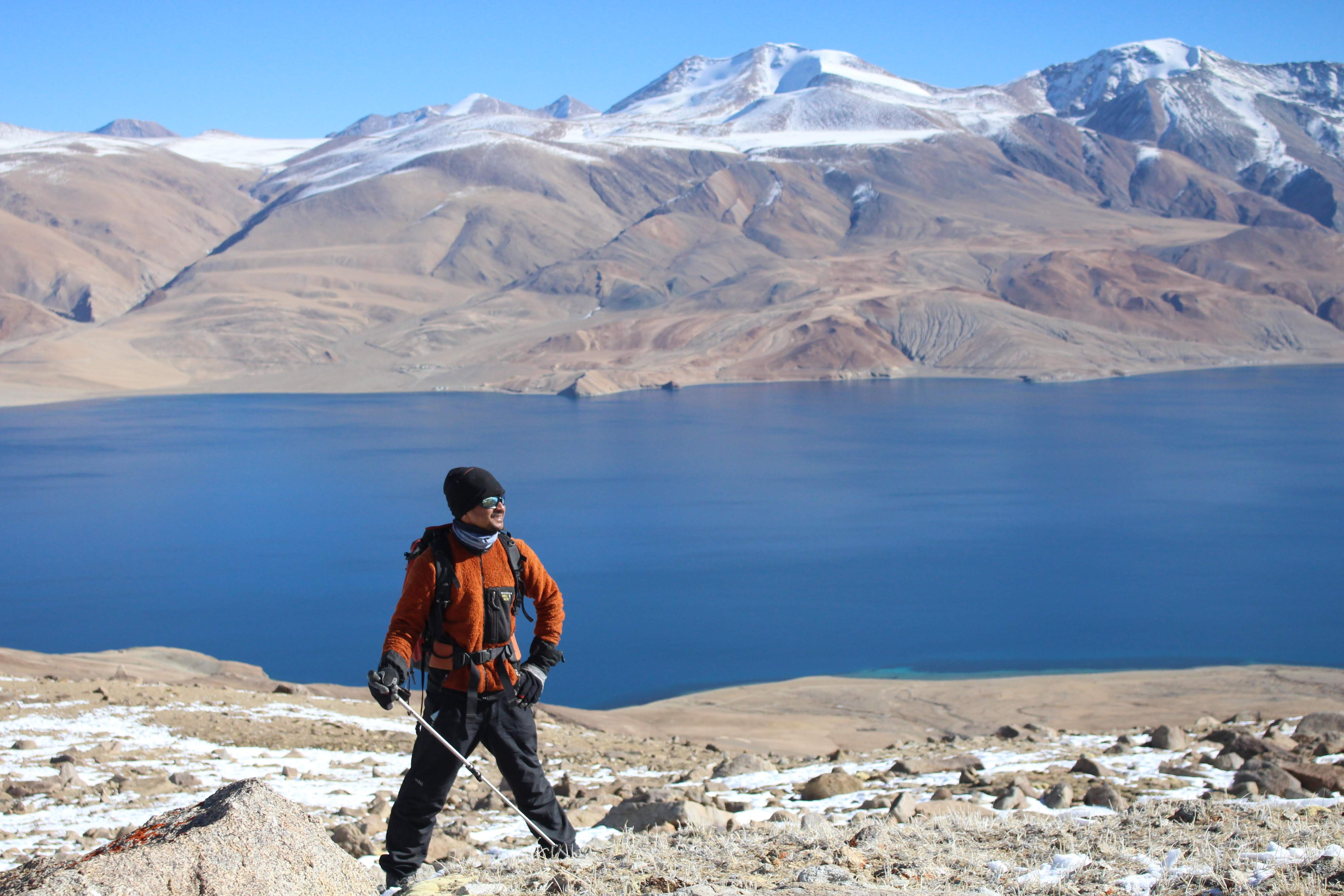
  • Tsomoriri
  • Pangong Tso
  • North Pullu
  • Siachen
  • Khardungla top

Apart from this proper courses were done in following:

  • Basic Mountaineering Course (BMC)
  • Advance Mountaineering Course (AMC)
  • Mountain Rescue Course (for the complete team)
  • Special course on Everest training.

Frequent Medicals were done

  • Complete medicals of everest team
  • VO2 max by wingate test
  • Regular BP, SPO2 monitoring

My First expedition-Mt Kedar dome

Indian Military Academy does not usually organise expeditions for the cadets. This changed during the year 1998. We were in our second term. During the mid term we were taken for pre-expedition training and the expedition was to be held in Jun 1998.

Fair to say that the whole expedition was a flaw. No proper training was conducted, poor planning and there was an uneasiness all around. I would blame team leader for everything, apart from bad luck and poor weather. There were a lot of volunteers for the expedition and team selection was done but nothing was perfect, and it does not work if it is not.

OVERVIEW

Mt. Kedar Dome, as the name suggests is a dome shaped mountain in Garhwal range of Uttarakhand Himalayas, India. The peak is 6831 meters above sea level. Kedar dome is considered a less technical and easy peak to climb. It is named after lord shiva and thus holds sentimental values to Hindus.

During the mid term we packed our bags and started our journey to train in the himalayas for our trek in Jun. It was March and due to some landslide we could not proceed and had to curtail our trip. We did some tent pitching and endurance training before we returned back to the academy.

However smart one maybe you cannot cheat the mountains and if someone is not trained well, they pay the price, no fooling around. Mountains offer no mercy and any mistake could lead to disaster as happened in our case.

During our term break our huge group of wanna be mountaineers started our move from Dehradun to Kedar dome. We took a halt at Uttarkashi and visited the Nehru Institute of Mountaineering there. We did not have much experience but the josh of Gentlemen cadets in IMA is always high. After spending the night at police camp, uttarkashi we started our journey to Army camp at Harsil. We spent a few days there and then started our journey to Gangotri which is the nearest road head to the peak. At Gangotri we did the darshan and started our trek to Gaumukh via bhojbasa. Bhojbasa is a 14 km and 4 h trek from gangotri, we cross chirbasa enroute. We pitched our tents there and stayed for acclimatization. This was my first time at an altitude of 3800 m, so first effects of headache and sleepless were felt. I was sharing the tent with my best buddies Manish, Rajawat and S B Singh.

From Bhojbasa we did load ferry and came across one of the most breathtaking scenes ever seen by most of us. Everything was going perfect and all of us were enjoying it. Since it was our first expedition we had no idea of what to expect.

Bhojbasa to Gaumukh is 5km and takes about 3h to reach the source of Ganges. The river Bhagirathi emerges from the snout of Gangotri Glacier at Gaumukh. We then moved to Tapovan @4400m. At Tapovan we experienced snow for the first time. Frequent visits to remove snow from the tents was common. It was fun in the beginning but fatigue later on. At each stage we ensured we spent adequate time for our bodies to adjust to the conditions.

From Tapovan our next destination was Kirti Glacier. As we reached Kirit Glacier we realised that as you go closer to the summit the weather starts deteriorating. It is pleasant at the start and with time keeps getting worse. During the past few days we realised that our team captain was a Psycho making us strip down to bare minimal clothing in snowfall in the name of mental toughness. It surely made us crazy though. Once at the glacier, the team was divided into 3 ropes, I was in third rope. First rope went for summit push and pitched up tents high up on the mountain for the final at night. As weather started packing up the team got trapped in avalanche. Kudos to sherpas for extricating the team and getting them back to base camp. However due to avalanche our medical assistant lost his shoes and died on his way back to base camp. Next day the helicopter came and took the dead and injured away. It was a sad sight and very scary too. All our enthusiasm for mountaineering had fizzled out. Strangely such events suddenly change the mood of whole camp in short span of time.

The whole team had to wrap up and return back to the base camp with heavy hearts. We were really sad for the loss, first expedition and failure. As I look back its easy to pinpoint reasons for failure and blaming it on someone. However, this kind of thing could happen to anyone. No one controls the nature and its forces just that the unlucky ones pay the price.

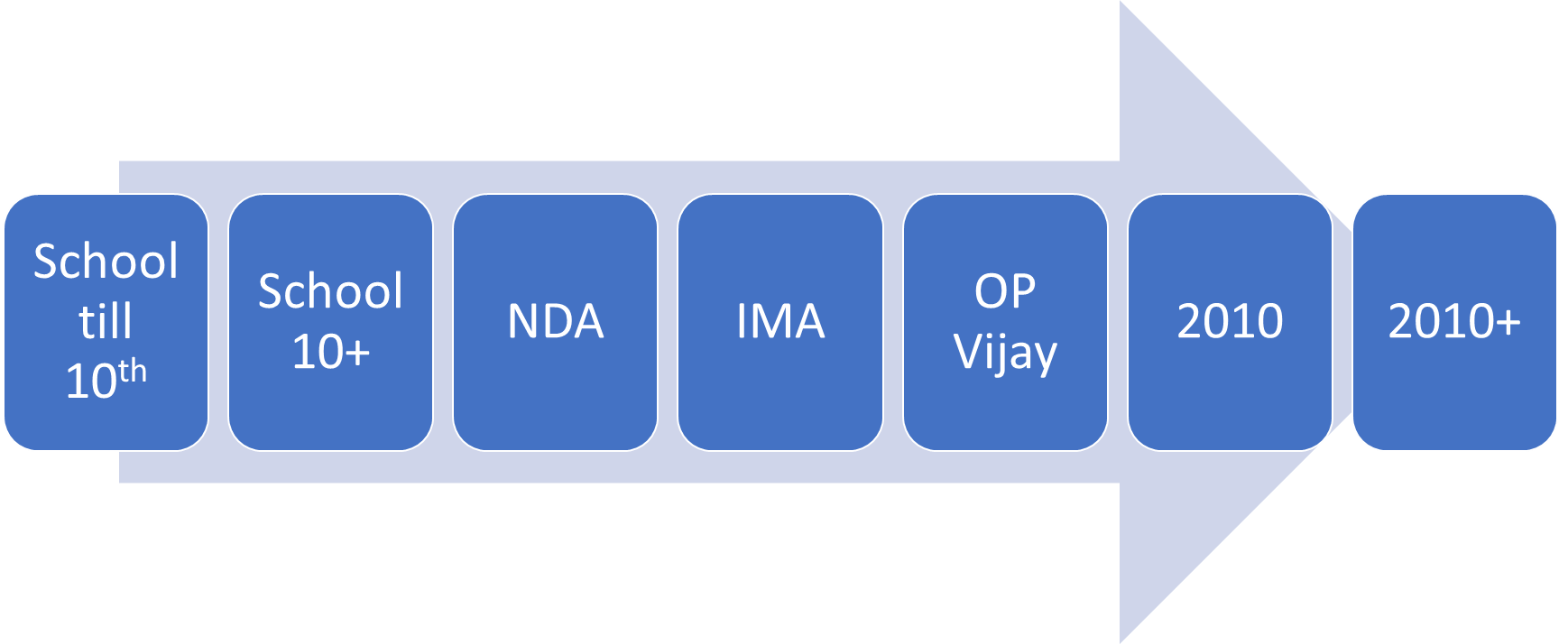
LIFE EVENTS

There are some events which are routine while some memories stay for lifetime. A list of events which helped me in shaping who I am are above.

My school life till 10th in KVSP Marg was chill. Even with less studies, marks were never an issue. Good grades gave me false sense of confidence and digging my own grave.

Things changed as my classes in clas XI started in SPV. Everyday was a struggle from being in top 3 in previous school to last/second last in SPV. Those two years were the toughest school days faced by me. The standard of school was very high and had tough time coping up.

Fast forward and i entered the Charlie Squadron at the National Defence Academy (NDA) in Dec 1994. Life was meant to be roller coaster there and it turned out to be worse :-). Soon i realized running was my waterloo and somehow i managed to finish the 3 years with no worthwhile achievements and third division in graduation. I realized that while in NDA i got carried away with the mentality of being a passenger rather than an achiever, with the soul aim of passing out with my course. If you aim low then you cannot blame anyone. Few things wrongly learnt during training made me pay the price later on in life. One of them being never to Volunteer. I regretted having learnt that.

Keren Company the Indian Military Academy, Dehradun turned out to be no different than the NDA. Only silver lining as i look back was to win the run back trophy. During the third term we got this opportunity to attend the Kedardome expedition but it turned about to be a failure as we lost our medical assistant during the expedition and left many people injured.

OP VIjay- kargil was extremely challenging and real life learning to the max. Long days and nights in bunkers were extraordinarily difficult. NO electricity, or toilets, makeshift bunkers, not many people to interact. life full of solitude. Mental toughness gained here paved way for handling testing times ahead.

2003-2006 I did my B Tech in electronics from JNTU and managed to get a CGPA of 6.87. I started well but got lost after first year.

2010 I cracked the entrance for my PG from IIT-KGP.

2012 I moved out and reached Hyderabad after finishing my PG with 8.7 CGPA. Had published few papers by then for international journal of super computing and globcom conference.
First success: Mt Stok Kangri (6153m)

Never measure the height of a mountain until you reach the top

Disclaimer: If you are expecting an expedition report of Stok Kangri then this post is not for you. There are hundreds of other posts on the internet for same. This post is my account of Stok, related experiences & challenges.
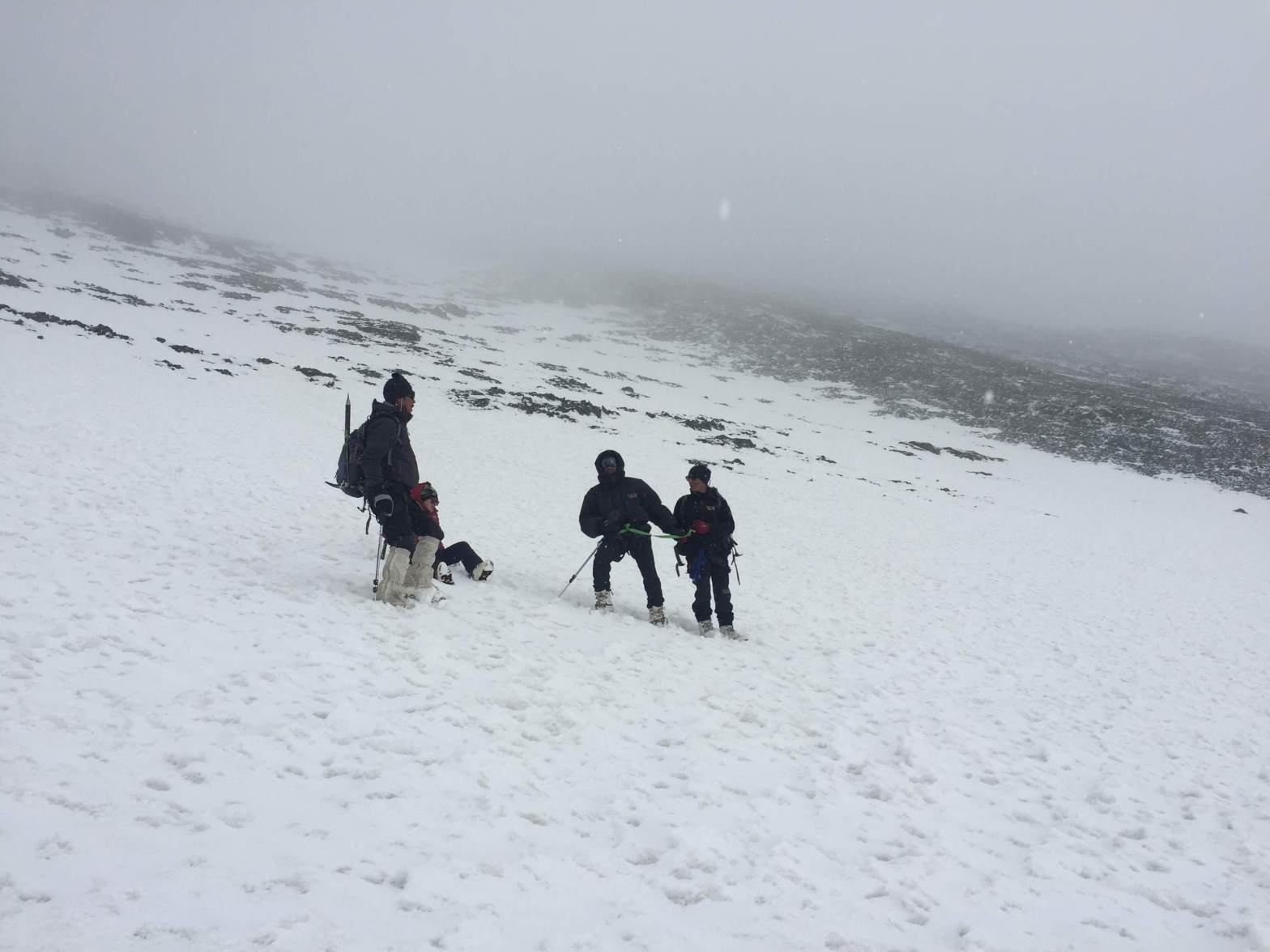
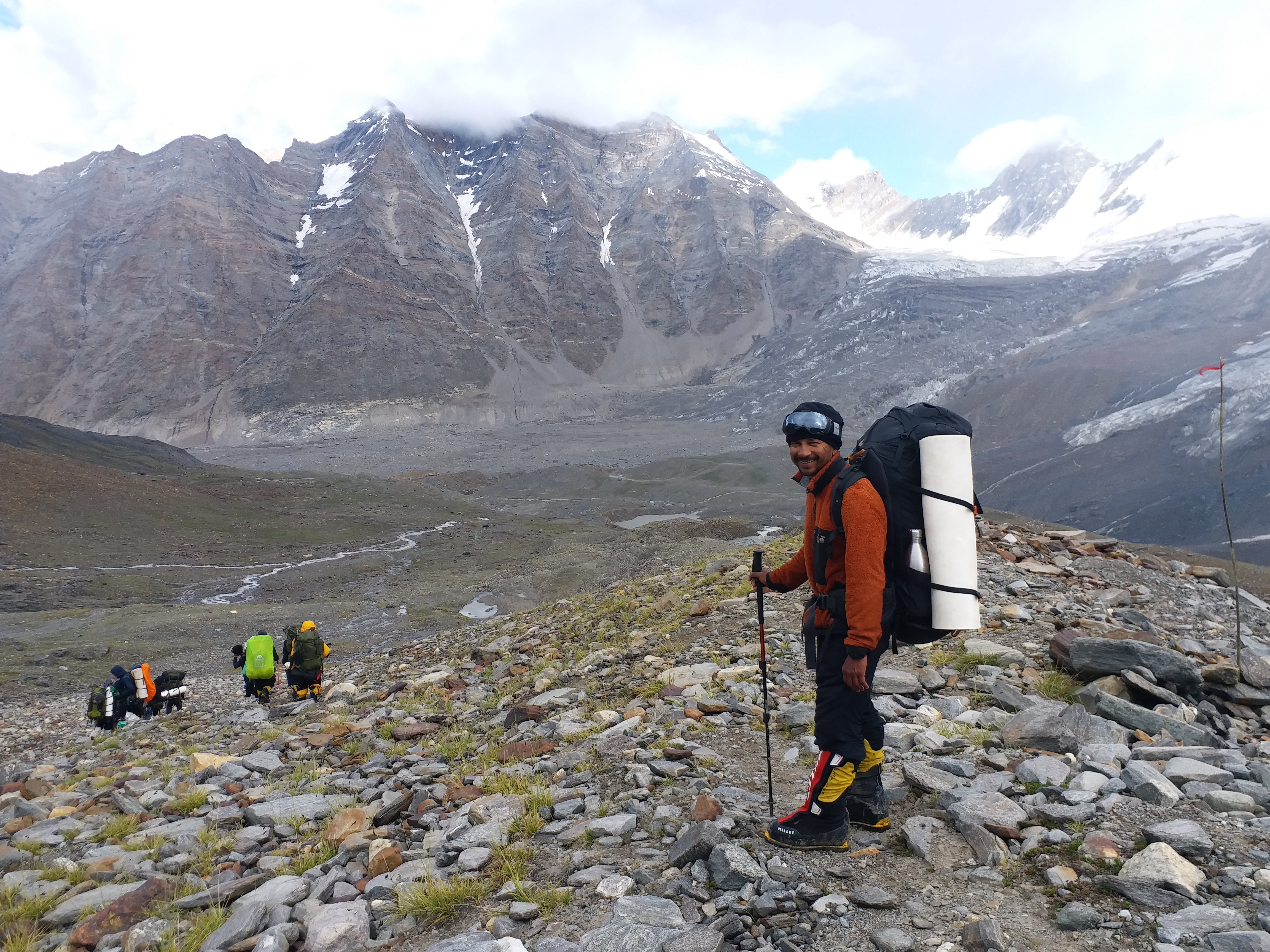
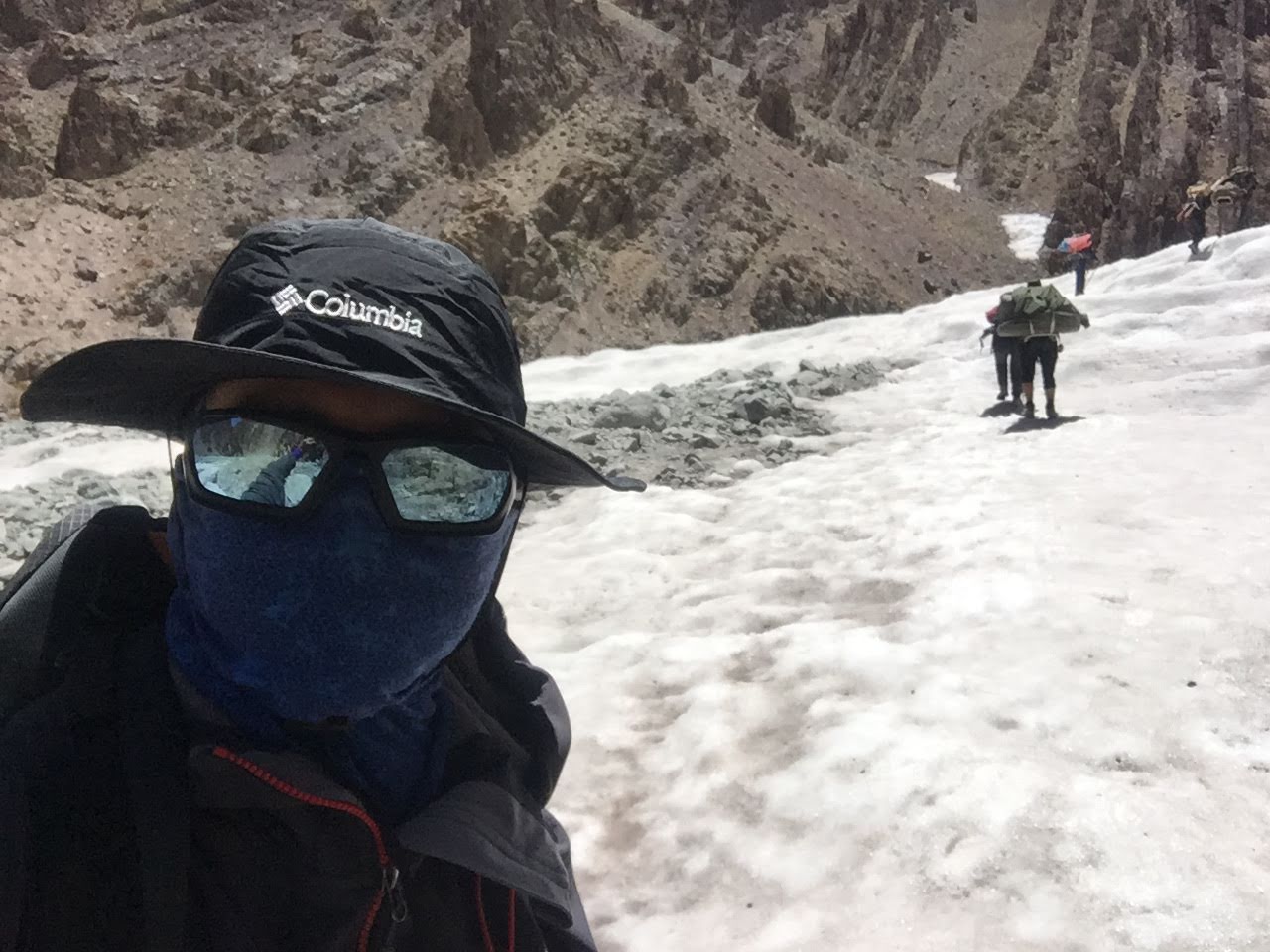
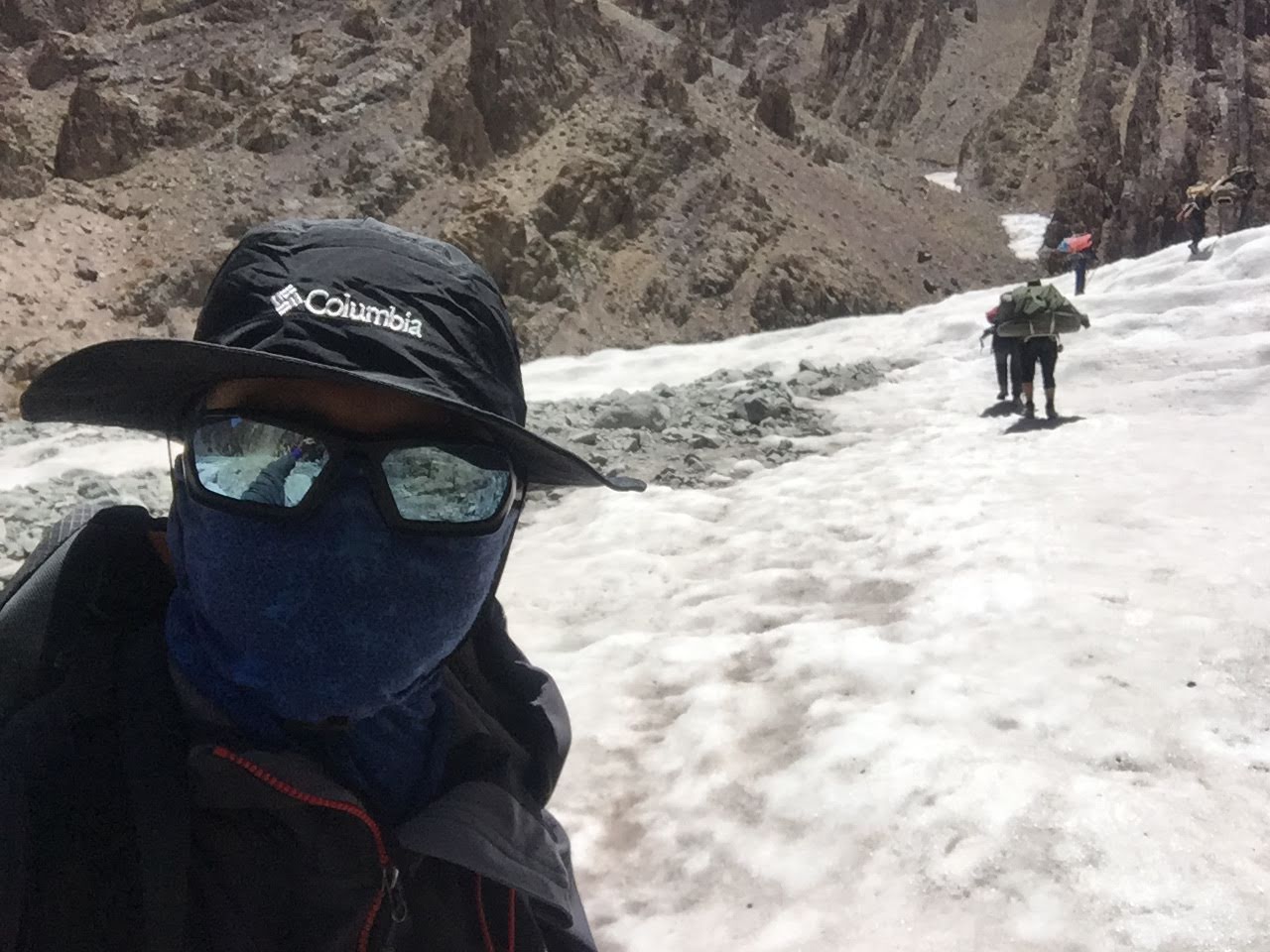
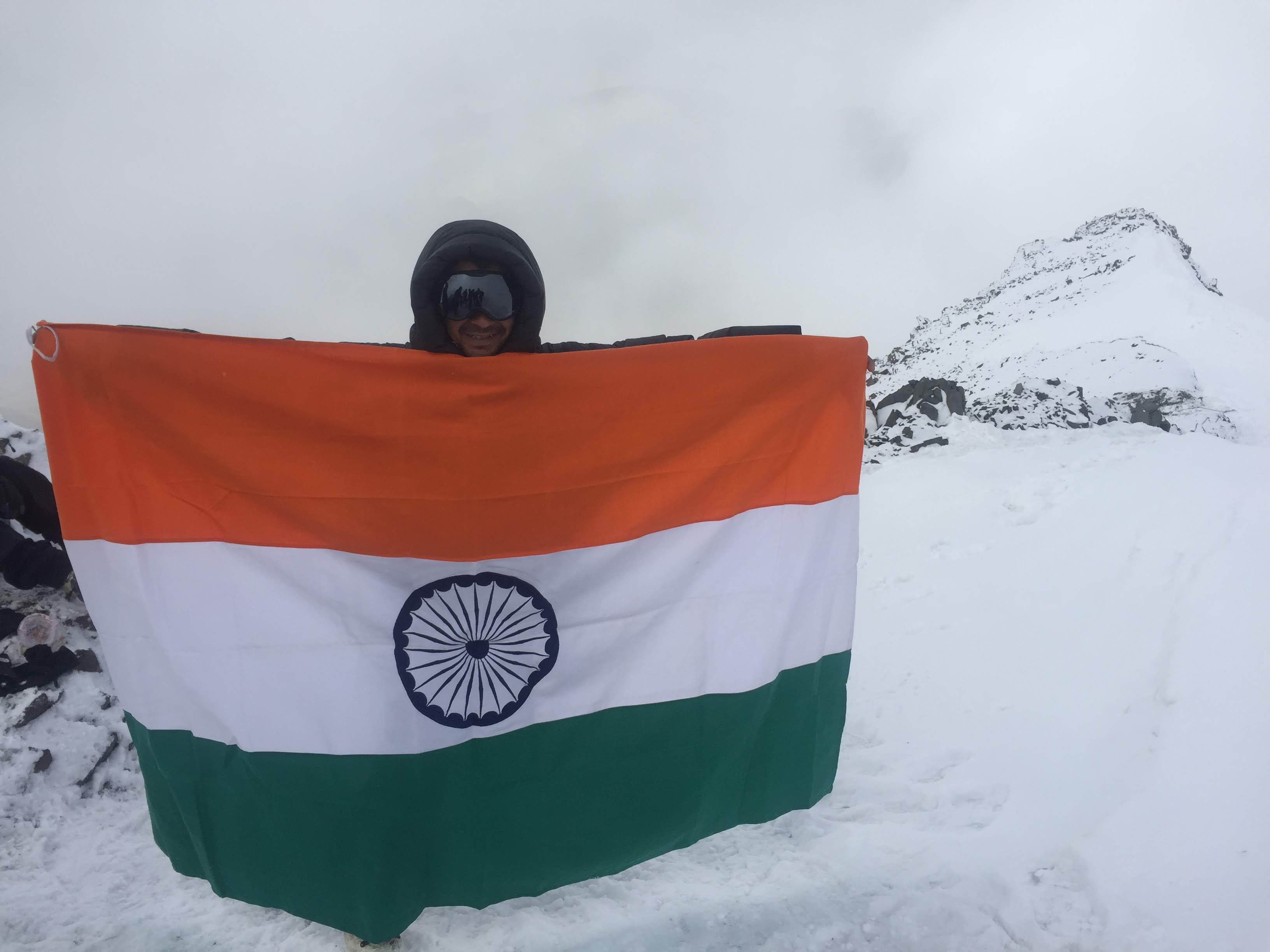
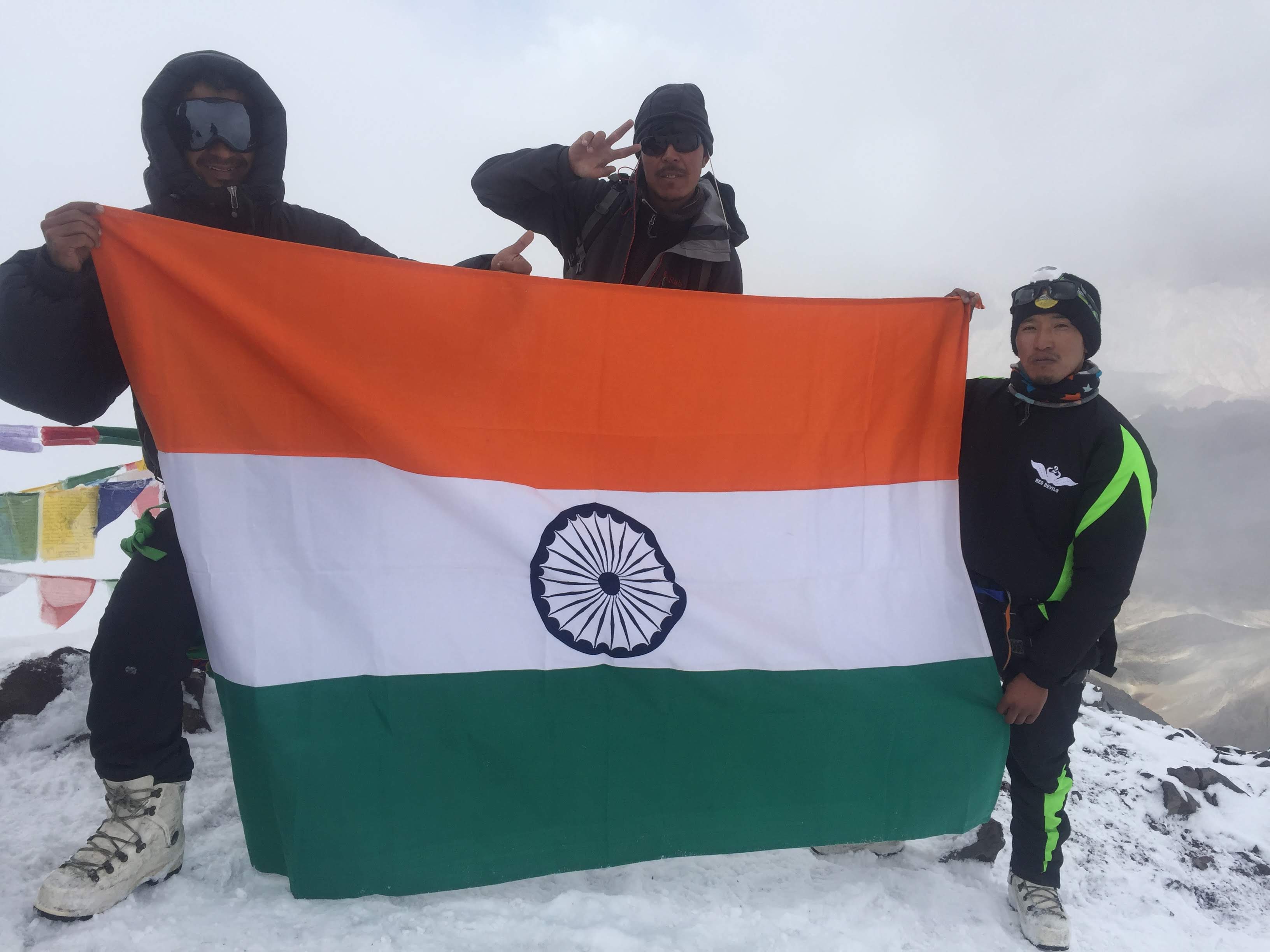
Stok Kangri Summit push in bad weather

Stok Kangri was my first expedition as a team leader. The expedition was my second 6000m expedition, the previous one was a failure (Mt Kedar Dome). This was part of our step by step strategy to conquer the Everest (https://tinyurl.com/y5h9zhda).

Stok Kangri is a beautiful peak and is considered to be a step up from normal trek to Mountaineering. Infact, many times people call it a trekking peak. I have been an endurance runner and cyclist before, having participated in Duathlons and Triathlons too. With this as a background it was decided to do Stok before going for Basic Mountaineering Course. Being from an endurance background and because of all these comments (Stok being a trekking peak) I made the mistake of taking it too lightly….

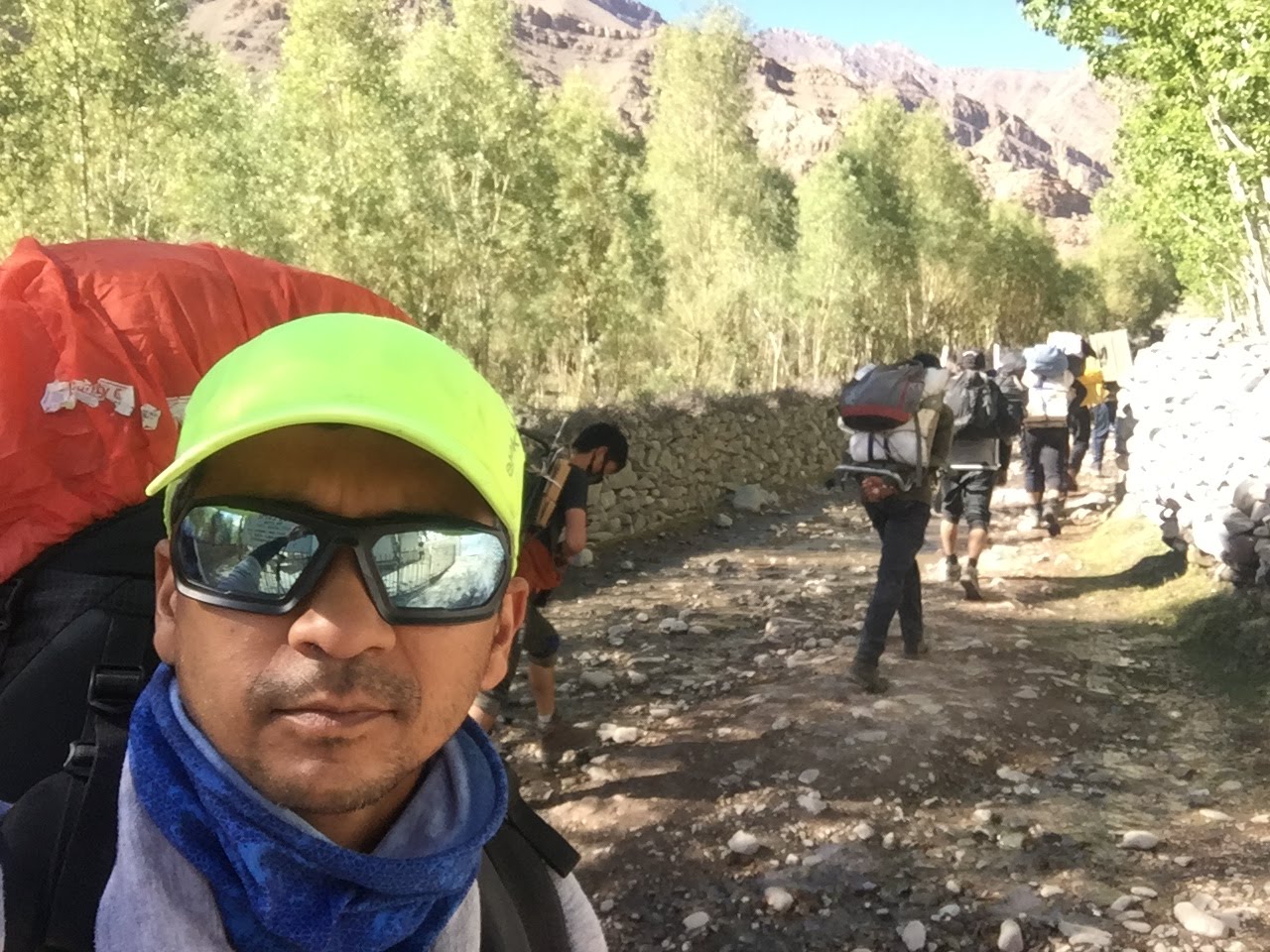
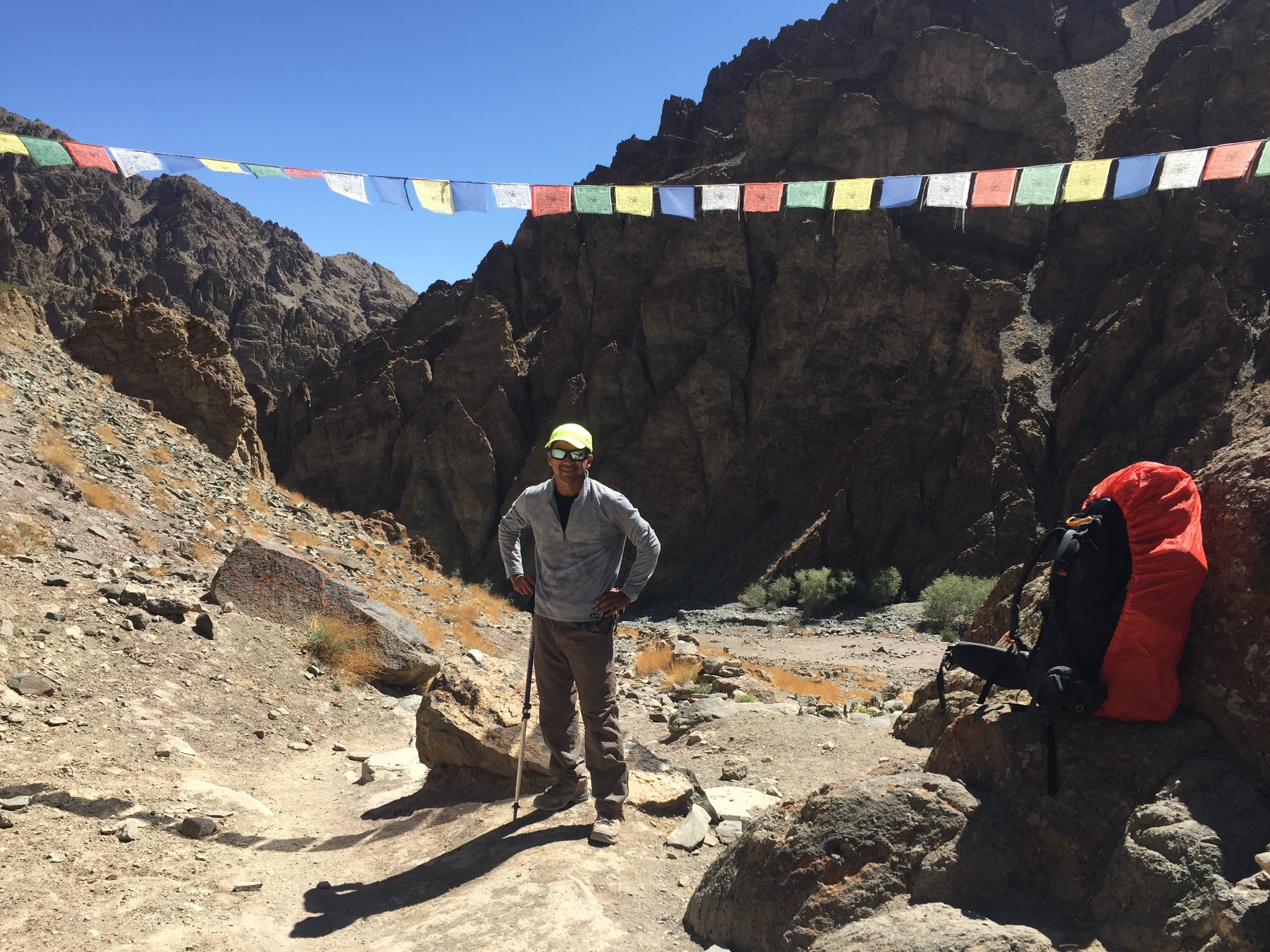
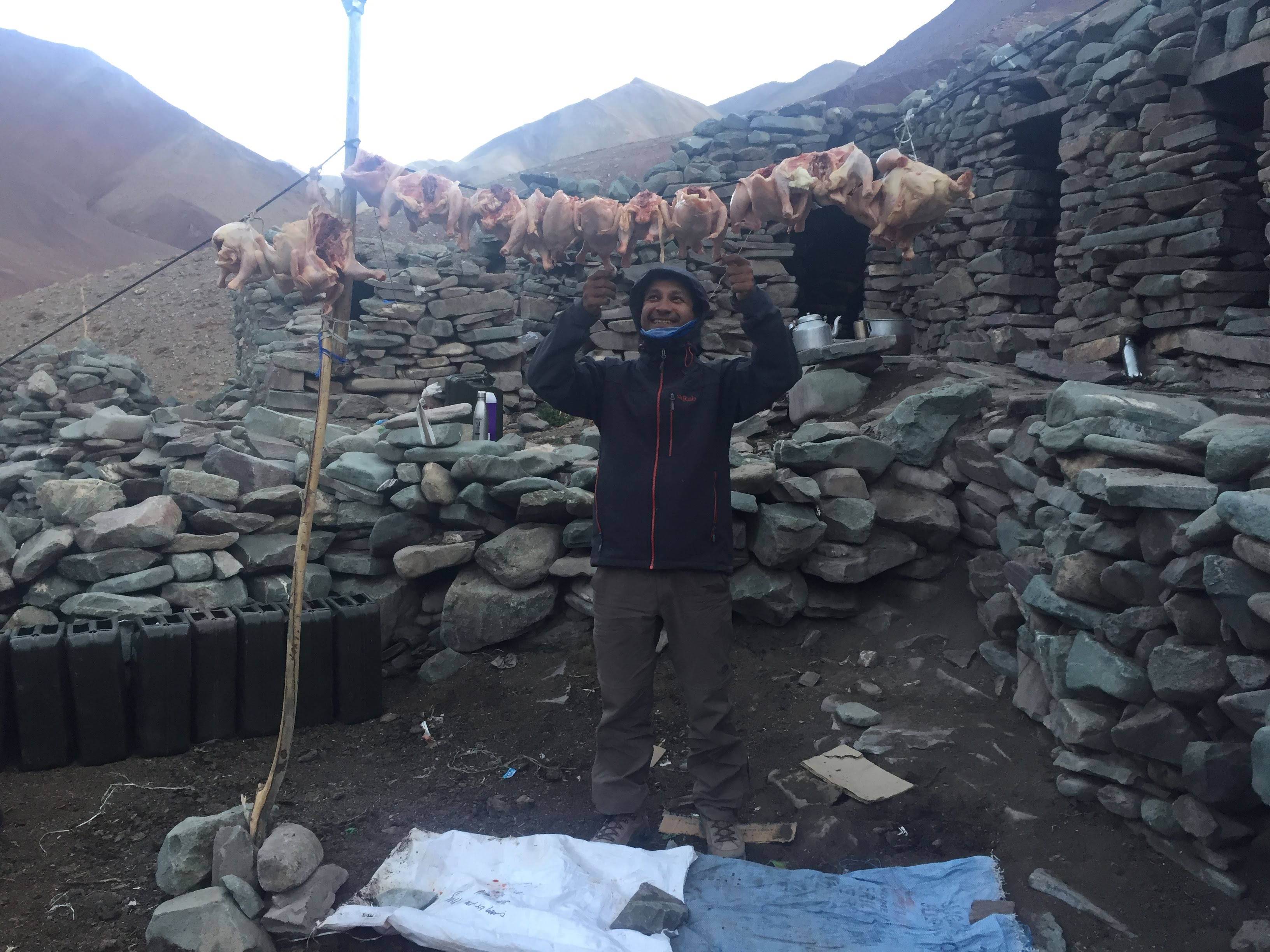
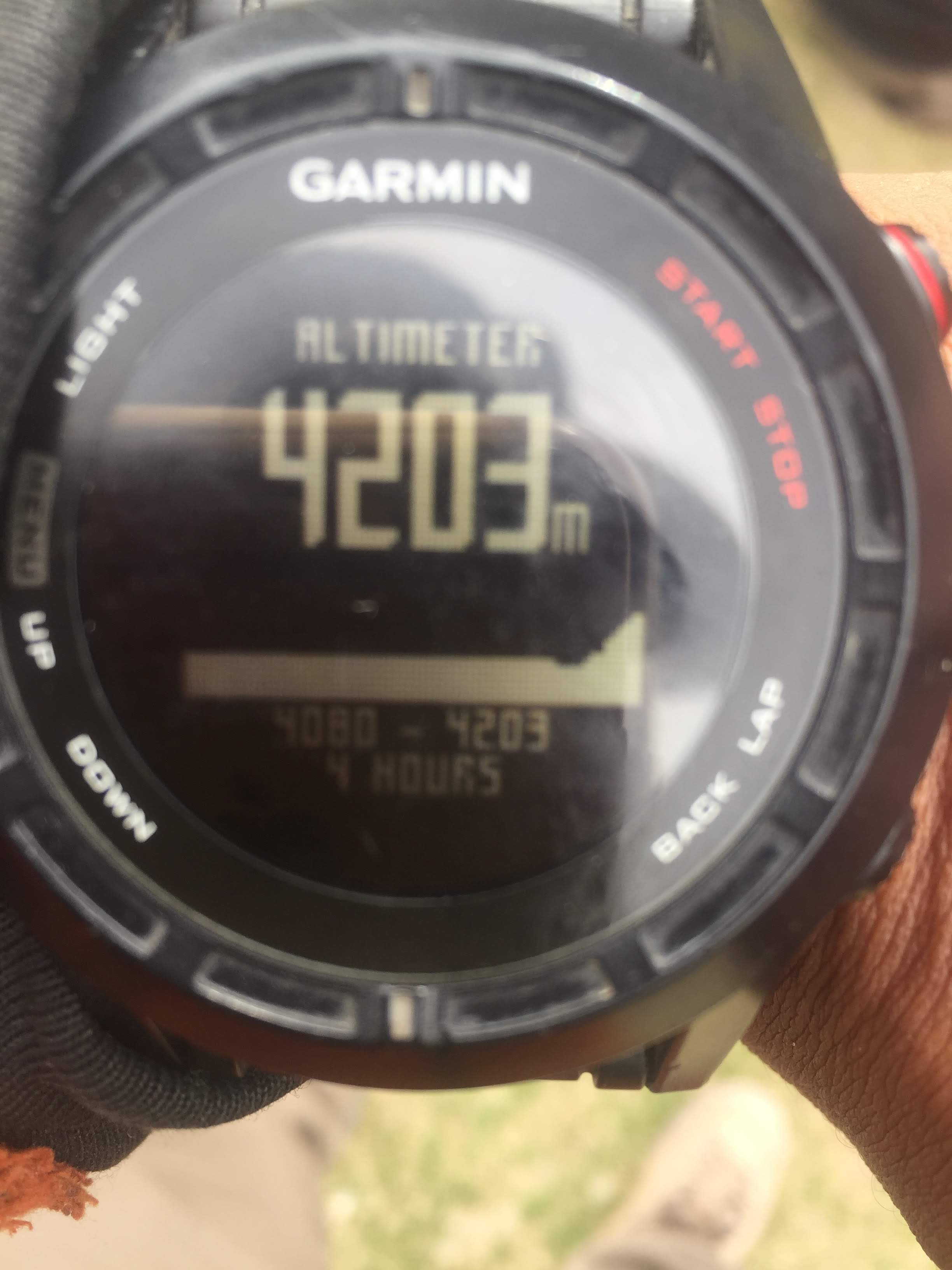
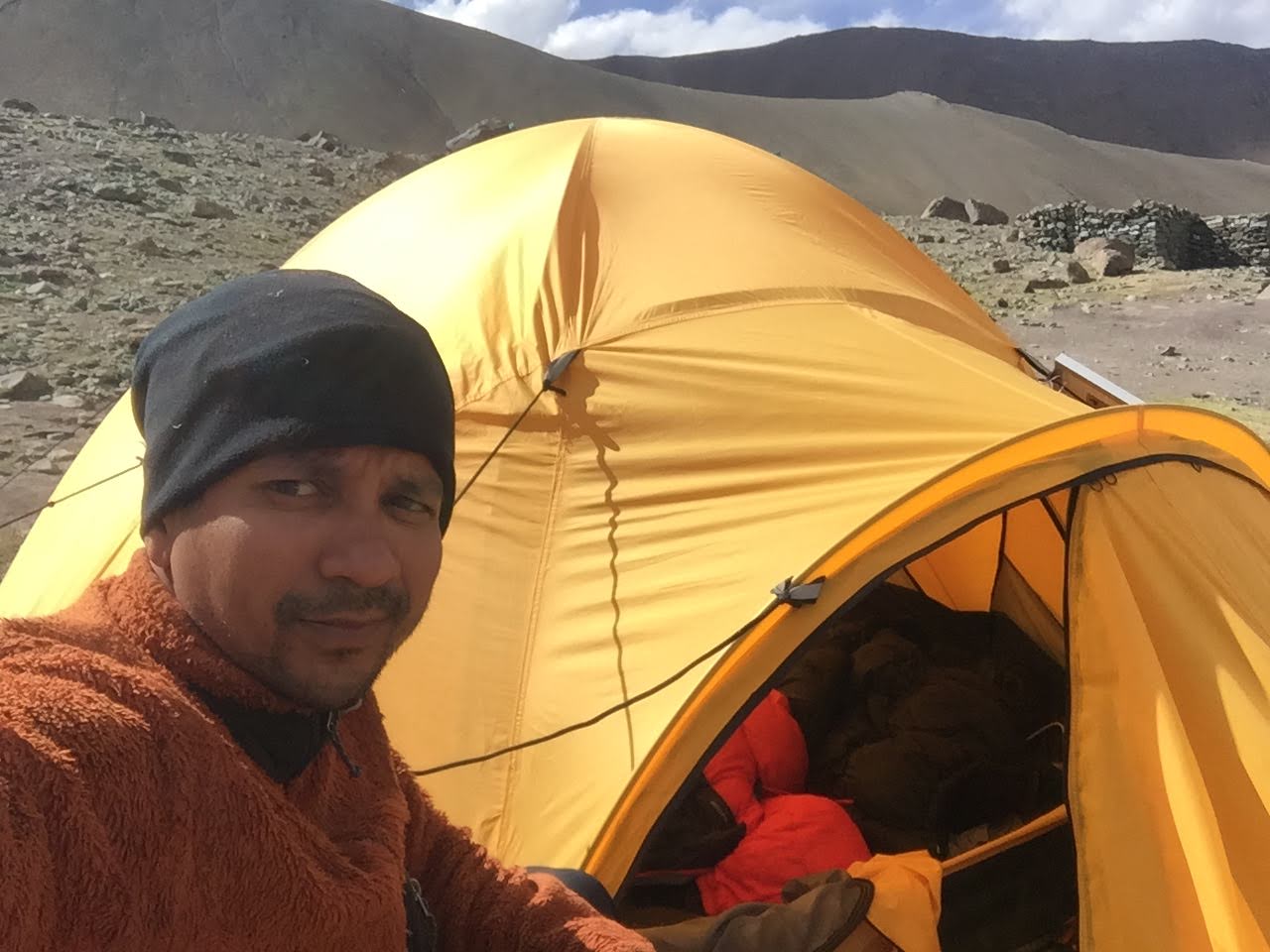
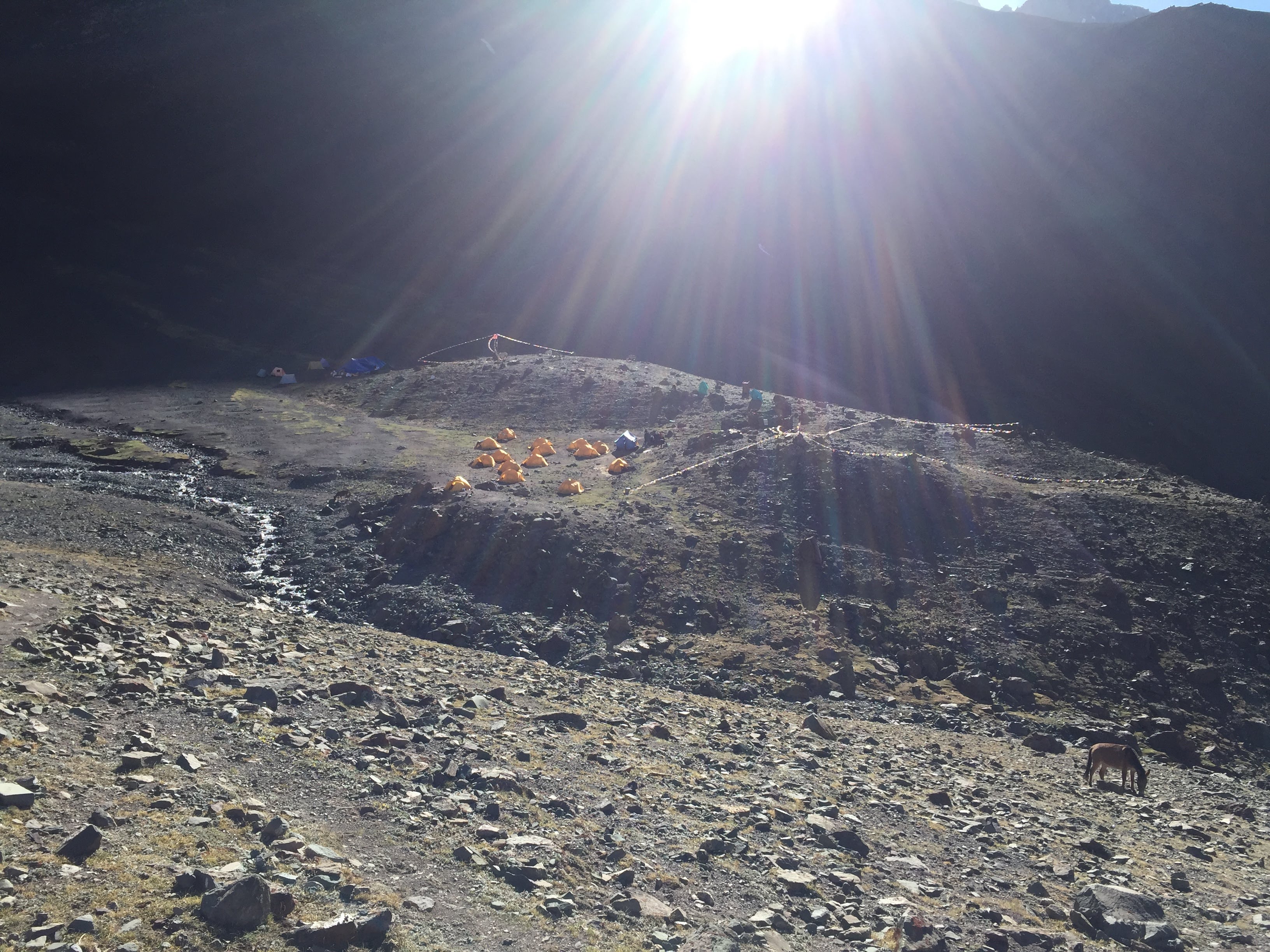
On D day reached Stok Road head, which is 30 mins drive from Leh. The team unloaded all our rations, heavy equipments, generators, fuel and other administrative stores and started our move to Mankorma. We left a small communication team at road head to communicate with leh. As we started our trek carrying our rucksacks and heavy equipment on Pony we realized it was going to be warm. So we started removing layers of clothes one by one. Soon we reached Changma (3900m), this is the place where most of the teams halt for day 1. From leh (3000m) to Mankorma (4350m) on a single day such elevation is highly NOT recommended, but when you are eyeing Everest we need to be prepared accordingly. We established our camp at Mankorma and half the team returned to Leh for the night.

D+1 morning the team at Mankorma did load ferry by going to Road head in order to acclimatize the body. So all of us carried decent amount of load and trekked. By now early signs of high altitude were being felt by most of the team members. D+2 was rest at mankorma and we conducted classes on wearing of heavy snow boots and crampons. We had a short stroll in them. This was followed by class on use of radio sets, handling and charging.

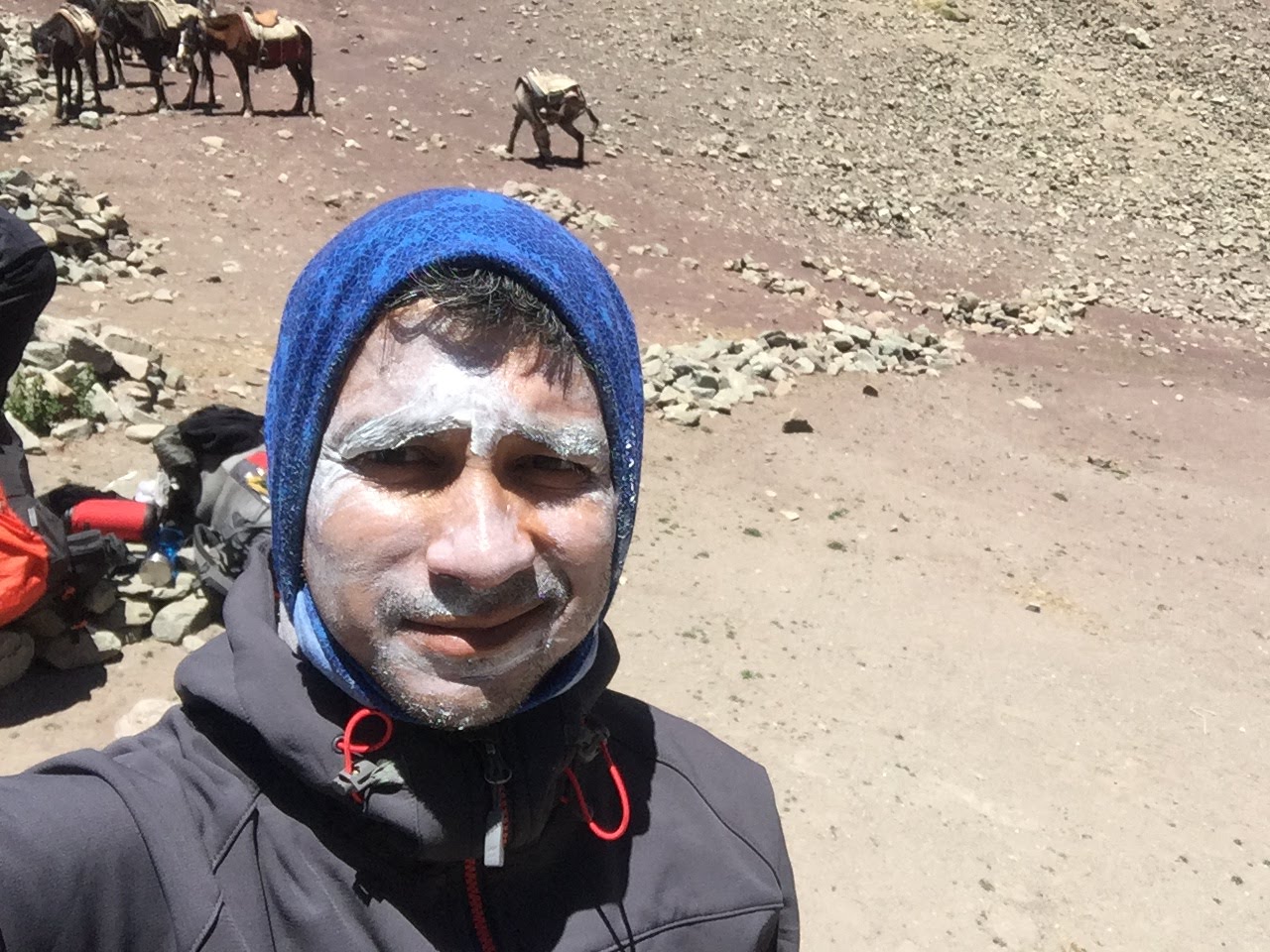
D+3 the team moved from Mankorma to Stok Base Camp. We stayed for some time and returned. This was again an acclimatization trek. D+4 we moved to Stok Base camp and rested the whole day. The day was pleasant but as happens in most expeditions the higher you go worse the weather gets. D+5 we went for height gain enroute to stok and returned after some time. On D+6 the weather was not in favour and snowing. Notheless we performed the pooja and miraculously things started improving. At 10 pm we started moving towards our final destination…my first expedition as a team leader. Initially things were not easy since I was not used to wearing in heavy boots. Then things went worse as it started snowing and we realised that weather would pack up soon. All this meant less rest breaks and more ascent to the summit. As we reached shoulder (the place where most of the people give up) things started getting horrible, fatigue set in hunger and worst was fear of unkown having not done any expedition before was surely pulling me down. Amidst all this one thing was pretty clear if i had to return it would be only after reaching the summit…..We realized that the conditions and our inexperience was pulling us down. Slowly dragging and struggling I reached the top of Stok. The final part was indeed a big pain. Somehow on reaching the top inexperience costed me dearly as i removed the cap. In no time the hell broke loose…. effects of high altitude started showing its effects. Started developing headache, dizziness and nausea. I told my team members i need to descend asap as i was unwell. We started moving down after taking the pics and then after short descend had biscuits and liquids. After this was feeling much better and we glissade our way back and then trekked our way to the base camp. All the team members successfully reached the summit except the doctor.

D+7 we returned from Stok BC to Mankorma and D+8 we headed back to Road head followed by Leh. The feeling on return to base camp was indeed great and satisfying.

Conclusion: Don’t underestimate the mountain. Never measure the height of mountain until you reach the top. Then you will see how low it was.

Birth of a Mountaineer

The Mountains are calling and I must go………

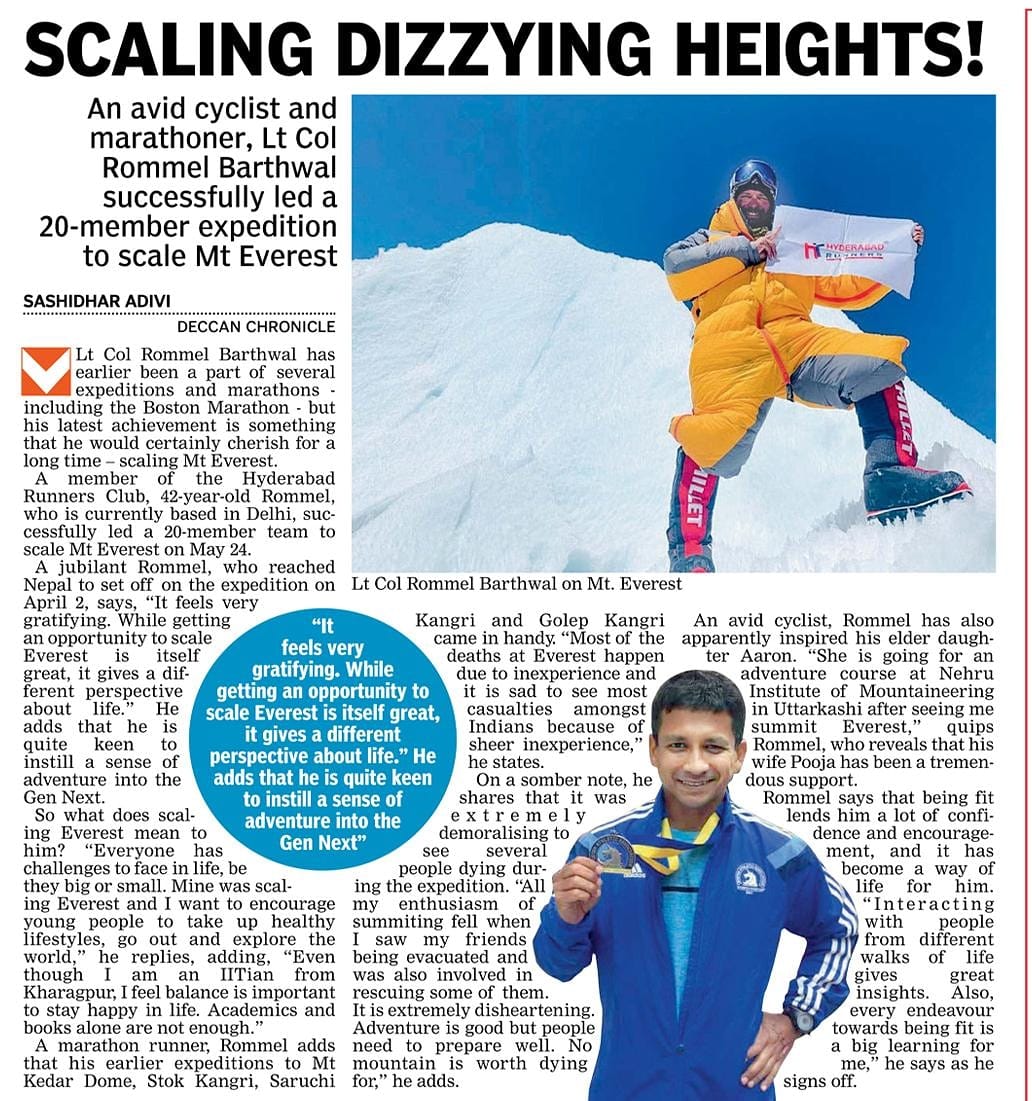
I was never a mountaineer (don’t know if i still am) . on 22 may 18 i was given the opportunity to lead a team of 20 to everest 2019. Unbelievable it was to get an opportunity like this, coz: i was not an experienced everester. My team was going to be comprising of extremely fit and motivated personal.

In this post I am going to answer the reason why i got selected. Also in subsequent posts we would know the reasons leading to most successful Everest expedition of 2019. The background to all this lies in the endurance journey of passing through IIT KGP, Boston marathon, la ultra and stadium runs.

For Everest you are not expected to be an expert Mountaineer. Everest is more of an endurance game and less of technical skills. I have been into endurance sports for long. Had been doing Marathons, brevets and other physically demanding exercises. So at 42 i was fitting the bill as team leader. I had enough experience to manage a team in triathlon adventure sports and physically fit to have matching mobility with other team mates.

Preparations for Everest (https://tinyurl.com/y5zncsdm) –

  • To chalk out an exhaustive plan till Everest next year.
  • First things first wanted to equip myself & team with technical skills to conquer mighty Sagarmatha.
  • Undergo mountaineering courses to get an idea about the massive task ahead.
  • Not only physical training but mental conditioning to envisage the path ahead.
  • Singular focus on reaching to the top and back in good physical state.

next post on Mt Stok Kangri

Design a site like this with WordPress.com
Get started